
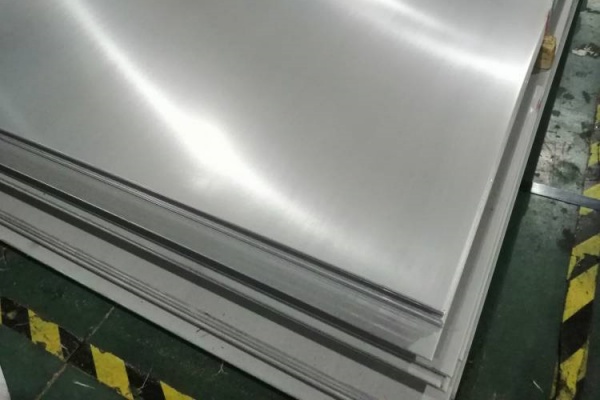
You know, it’s funny how often we get asked about satin nickel sheets. It seems like everyone’s curious about what makes them tick – their look, how they’re made, and where they really shine. And honestly, it makes sense. These sheets offer such a cool blend of looking good and working well, making them a go-to in so many different fields. So, I figured, why not put together a little something to clear things up? This way, folks like engineers, designers, and even the procurement specialists who are always on the hunt for solid materials can get a real handle on what satin nickel is all about. Exploring the Unique Characteristics of Satin Nickel Sheets 1. What defines a satin nickel finish When we talk about a “satin nickel finish,” what we’re really getting at is that lovely, soft, somewhat muted shine it has. It’s definitely not the in-your-face glint of polished nickel, nor does it have those distinct lines you see on brushed nickel. Think of it as a semi-gloss, a look that comes from a very specific plating process that actually creates a super-fine texture on the surface. This texture is key because it scatters light instead of just bouncing it back directly, which is brilliant for hiding fingerprints, smudges, and even those tiny little imperfections that would scream for attention on a shinier surface. It’s this visual trick that makes it so popular for places where you want both elegance and practicality. And underneath it all, you’re usually looking at a nickel coating applied to something like steel or brass, giving it all those signature qualities. 2. Composition and manufacturing processes It’s a common misconception, but satin nickel sheets aren’t actually solid nickel. Nope, usually, you’re looking at a base metal – often steel or brass – that’s been electroplated with a layer of nickel, and then put through a special finishing process. The electroplating bit is pretty cool: you dunk the base metal into a solution of nickel salts, run an electric current through it, and boom, a uniform layer of nickel gets deposited. Now, to get that signature satin effect, manufacturers get a bit clever. They introduce tiny particles (could be organic stuff or little solid bits) into the plating bath. These particles then get mixed in with the nickel as it’s deposited, creating that distinctive matte texture. Another way to do it is by
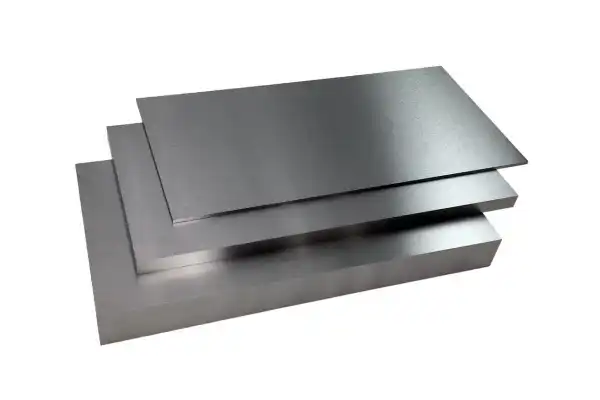
Pure tungsten sheets are, let’s be honest, pretty remarkable. They’re not just another metal; they’re essential materials in a whole host of high-tech industries, thanks to their truly exceptional properties. I’ve seen firsthand the headaches engineers and procurement folks go through trying to pick out and get their hands on such specialized stuff. So, my goal here is to give you a good, solid rundown on pure tungsten sheets – what makes them tick, where they’re used, and what you really need to think about when you’re making or buying them. Understanding the Unique Properties of Pure Tungsten Sheets 1. What makes pure tungsten an exceptional material for industrial use Pure tungsten, among all those tough refractory metals, really stands out. It’s got this unique mix of physical and chemical properties that just can’t be beat. Its atomic structure, believe it or not, is what gives it that incredible strength and keeps it stable even when things get super hot. Honestly, you’ll find it’s indispensable in places where pretty much any other material would just give up the ghost. And, from what I’ve observed, keeping it really pure just cranks up these natural advantages, making sure it performs consistently even in the most demanding situations. 2. Exploring the high melting point and density of tungsten sheets Okay, so here’s a fun fact: Tungsten has the highest melting point of all metals – we’re talking around 3422°C. That’s just wild, right? This means tungsten sheets can keep their shape and do their job perfectly even at those insane temperatures. And get this: it’s also incredibly dense, almost twice as heavy as steel, and practically in the same league as gold. That high density is a game-changer for things that need a lot of mass packed into a small space, like counterweights or radiation shielding. 3. How tungsten sheets offer superior strength and hardness at elevated temperatures The very way tungsten’s crystals are structured gives it this amazing strength and hardness, and the best part? It keeps those qualities even when it’s screaming hot. Unlike a lot of metals that just go soft as the temperature climbs, tungsten’s mechanical properties stay rock solid. That’s why it’s perfect for parts that get hit with intense heat and mechanical stress. I’ve personally seen how this performance directly benefits industries like aerospace and those folks making high-temperature furnaces. It’s pretty cool to witness. 4. Examining
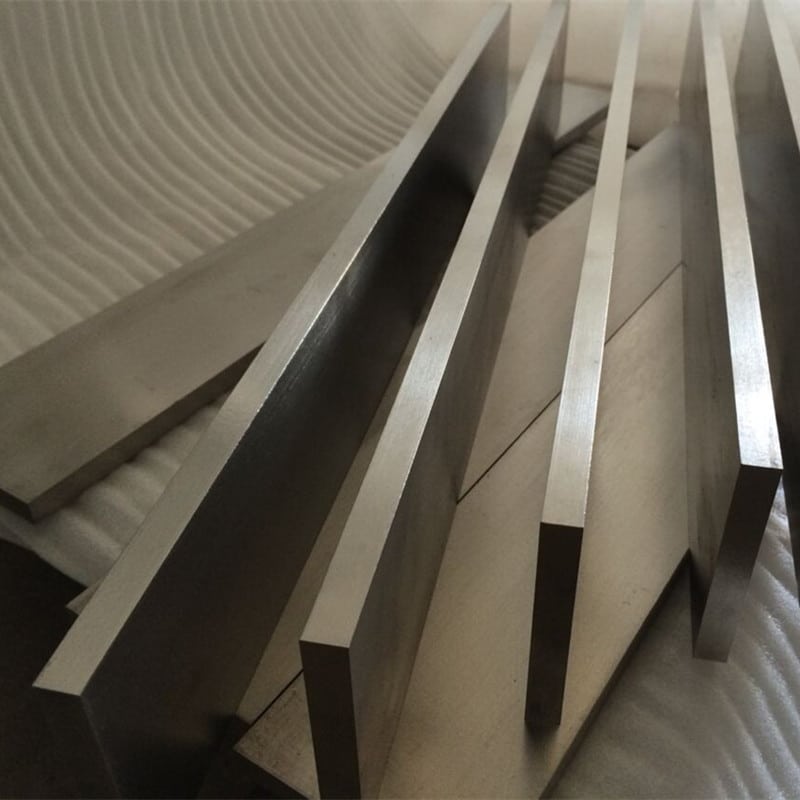
As an after-sales engineer, I’m often the one people call when they’re trying to figure out the best materials for tough industrial jobs. And you know what? Pure titanium sheets pop up in those conversations all the time. It’s not hard to see why—they’ve got this incredible mix of properties that just makes them stand out. For anyone in engineering or procurement, really getting a handle on what makes these sheets tick, where they fit in, and how to find a good supplier is absolutely vital. It can make or break a product’s performance and even a whole project. So, I’m hoping to share some practical insights here, especially for those of you wrestling with specialized materials. Understanding the Unique Properties of Pure Titanium Sheets Now, pure titanium might not be as common as some of its alloys in, say, big structural builds, but it brings a whole different set of benefits to the table. Its inherent characteristics make it pretty much indispensable in a lot of cutting-edge industries. We totally get that picking the right material for each specific need is super important. 1. What makes pure titanium an exceptional industrial material? Pure titanium really shines because it combines a few amazing things: it’s light, strong, and incredibly resistant to corrosion. Think about it: it’s only about 60% as dense as steel, but it can stand up to many common steel grades in terms of strength. That strength-to-weight ratio? That’s gold, especially in aerospace or automotive where every gram counts. Plus, it’s surprisingly ductile, meaning you can form and fabricate it pretty easily, which just adds to its versatility. Oh, and it’s non-magnetic and conducts heat well, which opens up even more possibilities for specialized gear. 2. Exploring the corrosion resistance and biocompatibility of titanium Titanium’s stellar corrosion resistance is all thanks to this neat trick it pulls: when it touches oxygen, it instantly forms a super stable, passive oxide layer. This tough film acts like a shield, protecting the metal underneath from all sorts of nasty stuff—we’re talking seawater, chlorine, various acids. That’s why it’s a go-to for marine and chemical processing. But wait, there’s more! Titanium’s biocompatibility is truly in a league of its own. The human body just… accepts it. No weird reactions, no rejection. And guess what? That same passive oxide layer is the hero here too, preventing any ions from leaching out and messing
You know, trying to find the right stuff for industrial projects, especially something as specific as pure nickel sheets, can feel like a real treasure hunt. It’s not just about finding any nickel; it’s about getting the right nickel, the stuff that’s going to hold up when everything else fails. We’re talking about materials that absolutely have to stand strong against corrosion, conduct electricity like a champ, and maybe even play nice with magnetic fields. And let’s be honest, navigating the maze of suppliers and specs? That’s a job in itself. My aim here is to cut through some of that noise, to give you the lowdown so you, whether you’re a procurement pro, an engineer, or just someone who needs to get this right, can make a truly smart choice. Understanding the Critical Role of Pure Nickel Sheets in Industry It’s pretty wild when you think about it: these pure nickel sheets are basically the unsung heroes behind so many advanced industrial operations. They’ve got this almost magical combination of properties that just makes them indispensable, especially when other materials just can’t cut it. I’ve seen it time and again – the demand for high-purity nickel just keeps climbing in all the places that really matter. 1. What are the unique properties and benefits of pure nickel sheets? When we talk about pure nickel, we’re usually looking at something like 99.6% to 99.99% nickel content. And let me tell you, that purity level gives it a whole host of physical and chemical superpowers that make it incredibly valuable for those tough industrial environments. Honestly, when you put all these attributes together, it’s clear why pure nickel sheets perform so reliably even under extreme conditions. They really do contribute to making critical industrial systems last longer and run more efficiently. 2. How do pure nickel sheets meet the demands of various industrial applications? Pure nickel sheets are like the problem-solvers of the material world, tackling specific challenges across a whole bunch of industries. They really shine in environments where a material failure could spell disaster, whether it’s an operational nightmare or a safety hazard. The sheer versatility of pure nickel sheets means engineers can design systems that are not only incredibly efficient but also unbelievably durable. I constantly see these materials being specified for projects where reliability isn’t just a nice-to-have, it’s everything. Key Considerations When Choosing a Pure Nickel
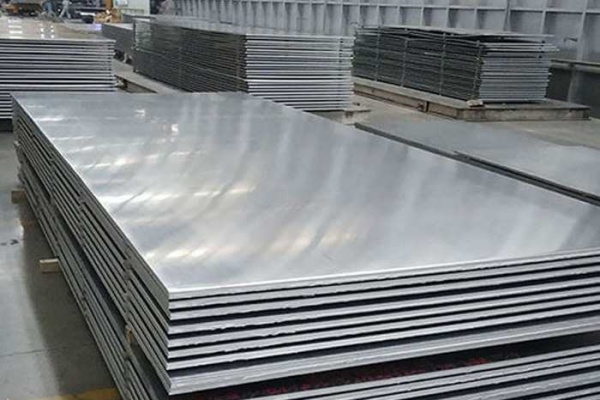
Pure nickel sheet metal offers exceptional properties vital for demanding industrial applications. Its unique combination of corrosion resistance, electrical conductivity, and ductility makes it indispensable across various sectors. We understand the critical need for high-quality materials and aim to provide comprehensive insights into its characteristics, diverse uses, and reliable sourcing. This information helps engineers and procurement managers make informed decisions for their specific project requirements. Understanding the Unique Characteristics of Pure Nickel Sheet Metal 1. What Defines Pure Nickel Sheet Metal and Its Key Properties? Pure nickel sheet metal consists primarily of nickel, typically with a purity of 99% or higher. This high purity distinguishes it from nickel alloys, which incorporate other elements to achieve different characteristics. The material’s atomic structure grants it a face-centered cubic lattice, contributing to its excellent ductility and formability. Key properties include outstanding corrosion resistance, particularly in alkaline environments and against various acids. It also exhibits high electrical and thermal conductivity, ferromagnetic properties at room temperature, and good strength at elevated temperatures. These attributes make it highly valuable in specialized industrial contexts. 2. How Does Pure Nickel Sheet Metal Compare to Nickel Alloys? The primary distinction between pure nickel sheet metal and nickel alloys lies in their composition and resulting properties. Pure nickel, such as Ni200 or Ni201, offers maximum corrosion resistance in specific chemical environments and maintains high electrical conductivity. Nickel alloys, conversely, blend nickel with other elements like chromium, iron, copper, or molybdenum to enhance specific properties. For instance, Inconel alloys excel in high-temperature strength and oxidation resistance, while Monel alloys provide superior resistance to seawater corrosion. The choice between pure nickel and an alloy depends entirely on the application’s specific requirements for strength, temperature, and chemical exposure. For more details on related materials, consider What Do Copper And Nickel Make. 3. What Are the Common Grades and Standards for Pure Nickel Sheet Metal? Several common grades and international standards govern pure nickel sheet metal, ensuring consistent quality and performance. ASTM B162 specifies the requirements for nickel plate, sheet, and strip, covering grades like Ni200 and Ni201. Ni200 is commercially pure wrought nickel, known for its excellent mechanical properties and corrosion resistance. Ni201 is a low-carbon version of Ni200, preferred for applications above 315°C (600°F) to prevent graphitization, which can lead to embrittlement. Other standards include ASME SB-162, DIN 17750, and ISO 6208, each outlining specific chemical compositions, mechanical properties, and testing procedures.
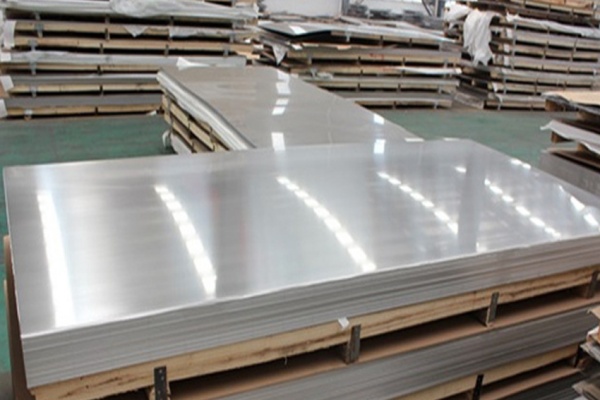
Pure nickel sheets are essential materials across numerous advanced industries. Their unique combination of properties makes them indispensable for applications demanding exceptional performance. We understand the critical role these materials play in your operations. This guide provides a comprehensive overview of pure nickel sheets, detailing their characteristics, diverse applications, and crucial considerations for procurement. We aim to equip you with the knowledge needed to make informed decisions. Understanding the Unique Properties of Pure Nickel Sheets Pure nickel, specifically grades like Ni200 and Ni201, exhibits a remarkable set of physical and chemical properties. These characteristics distinguish it from other metals and alloys, making it highly valuable in specialized industrial contexts. The purity level directly influences its performance across various parameters. 1. What defines the high purity of nickel sheets? High purity in nickel sheets refers to a minimal presence of other elements, typically exceeding 99.5% nickel content. For instance, Ni200 contains a minimum of 99.6% nickel, while Ni201 has even stricter carbon content limits for elevated temperature applications. This high purity ensures optimal performance in critical environments. Trace impurities can significantly alter mechanical, electrical, and corrosion resistance properties. Achieving this purity involves stringent refining processes, including vacuum melting and electrorefining. These methods remove undesirable elements like carbon, iron, copper, and sulfur. The precise control over composition guarantees consistent material behavior. 2. How does pure nickel’s corrosion resistance benefit industrial applications? Pure nickel possesses outstanding resistance to various corrosive media. It performs exceptionally well in alkaline solutions, including caustic soda, even at high concentrations and temperatures. This resistance extends to reducing acids, such as hydrochloric and sulfuric acids, particularly when de-aerated. The material forms a passive oxide layer in oxidizing environments, which further enhances its protection. This inherent corrosion resistance is crucial for applications in chemical processing, marine environments, and food handling equipment. For example, in chemical reactors, pure nickel sheets withstand aggressive chemicals, preventing material degradation and contamination. 3. What are the electrical and thermal conductivity advantages of pure nickel? Pure nickel exhibits excellent electrical and thermal conductivity, second only to copper among common industrial metals. Its electrical conductivity is approximately 24% IACS (International Annealed Copper Standard). This property makes it ideal for electrical components where conductivity and corrosion resistance are both required. Thermally, pure nickel efficiently transfers heat, which is vital in heat exchangers and electronic components. The combination of high conductivity with good mechanical properties and corrosion resistance makes
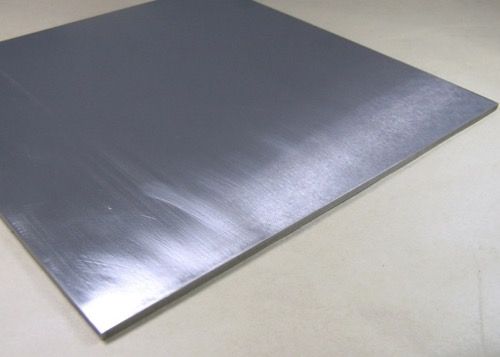
As an after-sales engineer, I frequently encounter questions regarding specialized materials for demanding industrial applications. Pure molybdenum sheets consistently emerge as a critical solution due to their exceptional properties. Understanding these characteristics, their diverse applications, and reliable sourcing methods is vital for engineers and procurement specialists. I aim to provide a comprehensive overview to help you make informed decisions for your projects. Understanding the Unique Characteristics of Pure Molybdenum Sheets 1. What defines pure molybdenum and its key properties? Pure molybdenum (Mo) is a refractory metal renowned for its exceptional physical and chemical properties. Its purity level typically exceeds 99.95%, making it highly desirable for applications where contamination can compromise performance. Key properties include an extremely high melting point of 2620°C, remarkable high-temperature strength, and excellent thermal and electrical conductivity. Additionally, molybdenum exhibits a low coefficient of thermal expansion (CTE) and good machinability, which are critical for precision engineering. These attributes position pure molybdenum sheets as an indispensable material in various high-tech industries. 2. How does molybdenum’s high melting point benefit industrial applications? Molybdenum’s exceptionally high melting point, second only to tungsten and tantalum among commercially viable metals, provides significant advantages in industrial applications. This property allows molybdenum sheets to maintain structural integrity and mechanical strength at temperatures where most other metals would soften, deform, or melt. For instance, in high-temperature furnaces, components made from molybdenum can withstand extreme heat without degradation, ensuring operational stability and longevity. This characteristic is crucial for processes like sintering, annealing, and crystal growth, which demand stable environments at elevated temperatures. 3. What are the thermal and electrical conductivity advantages of molybdenum sheets? Molybdenum sheets offer superior thermal and electrical conductivity, which are essential for many advanced applications. Their high thermal conductivity facilitates efficient heat dissipation, preventing overheating in electronic devices and high-power systems. Simultaneously, their excellent electrical conductivity ensures minimal energy loss and efficient current flow, making them suitable for electrical contacts and heating elements. These combined properties make molybdenum an ideal material for components requiring both efficient heat management and reliable electrical performance, such as in semiconductor manufacturing and power electronics. If you are interested in the manufacturing process of high-quality molybdenum products, check Manufacturing Process Of High Quality Molybdenum Plate Products. Exploring Diverse Applications for Pure Molybdenum Sheets Across Industries 1. How are molybdenum sheets utilized in vacuum furnace hot zones? Molybdenum sheets are extensively used in Vacuum Furnace Heating Chamber and
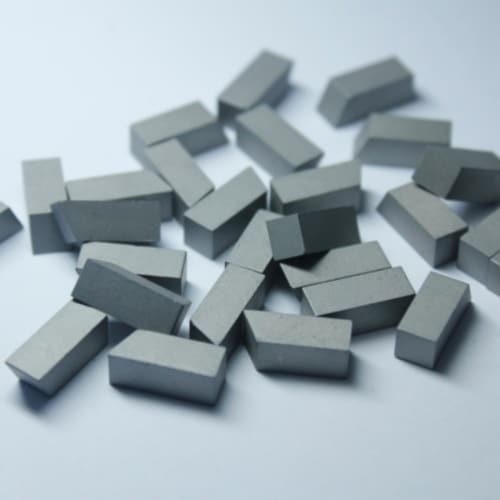
Navigating the complexities of industrial material procurement requires a deep understanding of market dynamics and cost drivers. For tungsten carbide, a material critical to numerous high-performance applications, price directly impacts project viability and profitability. We aim to demystify the factors influencing its cost, providing procurement managers, engineers, and manufacturers with actionable insights for strategic sourcing. Why Understanding Tungsten Carbide Pricing Is Crucial for Your Business 1. The strategic importance of cost-effective material sourcing Strategic material sourcing directly influences a company’s financial health and competitive edge. For high-performance materials like tungsten carbide, even minor price fluctuations can significantly impact manufacturing costs. Efficient sourcing ensures that businesses acquire necessary materials at optimal prices without compromising quality or supply chain stability. This approach supports sustainable operations and allows for better budget allocation across projects. 2. How price fluctuations impact project budgets and profitability Tungsten carbide prices are subject to various market forces, leading to potential volatility. Unforeseen price increases can inflate project budgets, reducing profit margins or necessitating budget revisions. Conversely, understanding these fluctuations allows for proactive procurement strategies, such as hedging or forward buying, to mitigate risks. Accurate forecasting and flexible sourcing models are essential to maintain profitability in dynamic markets. What Key Factors Influence the Price of Tungsten Carbide The price of tungsten carbide is not static; it reflects a complex interplay of various factors. Understanding these elements is crucial for anyone involved in its procurement or application. We analyze the primary drivers that shape its market value. 1. How raw material costs impact the final product The primary component of tungsten carbide is tungsten, a strategic metal with finite global reserves. The extraction and processing of tungsten ore are energy-intensive, contributing significantly to its cost. Global supply, geopolitical stability in mining regions, and currency exchange rates directly influence the price of tungsten concentrate. Cobalt, another critical raw material used as a binder in cemented carbide, also plays a substantial role. Fluctuations in the market prices of these raw materials inevitably translate into variations in the final cost of Tungsten Carbide Tips. 2. The role of manufacturing processes and production technology in pricing Producing tungsten carbide involves sophisticated processes, including powder metallurgy, sintering, and precision machining. Each stage requires specialized equipment, skilled labor, and stringent quality control. Advanced manufacturing technologies can improve efficiency and reduce waste, but they also represent significant capital investments. The complexity of forming intricate shapes or achieving
As an after-sales engineer, I frequently encounter questions regarding the cost-effectiveness of advanced materials. The price of titanium alloy often appears high at first glance, leading many to question its true value. However, a deeper understanding reveals that its unique properties and long-term benefits frequently outweigh the initial investment. We will explore the critical factors that determine titanium alloy pricing and how these elements translate into significant operational advantages for your business. Why Titanium Alloy is a Premium Material for Industrial Applications Titanium alloy stands out in industrial applications due to its exceptional combination of properties. This material provides solutions where other metals fail, justifying its premium status. Understanding these inherent advantages is crucial for any business considering its adoption. 1. Exploring the unique properties that define titanium’s value Titanium alloys possess a unique blend of characteristics making them indispensable across various high-performance sectors. Firstly, their high strength-to-weight ratio is unparalleled, offering significant weight savings without compromising structural integrity. This is particularly vital in aerospace and automotive industries where reduced mass directly translates to improved fuel efficiency and performance. Secondly, titanium alloys exhibit outstanding corrosion resistance, especially in harsh environments involving saltwater, chlorine, and various acids. This property greatly extends the lifespan of components, reducing maintenance and replacement costs over time. Thirdly, titanium alloys offer excellent biocompatibility, making them ideal for medical implants and surgical instruments. The human body tolerates titanium well, preventing adverse reactions. Lastly, their ability to maintain strength at elevated temperatures ensures reliable performance in demanding thermal conditions. This makes them suitable for jet engines and high-temperature processing equipment. For more information on the inherent strength of titanium alloys, you might find this article useful: 《Breaking Through The Performance Limit Of Titanium Alloys The Intrinsic Fracture Toughness Of Titanium》. 2. Understanding the primary applications driving demand for titanium alloys The demand for titanium alloys stems directly from their unique properties, which enable critical functions in diverse industries. Aerospace is a major consumer, utilizing titanium for airframes, engine components, and landing gear due to its lightweight and high-strength characteristics. Medical applications, including orthopedic implants, dental devices, and surgical tools, rely on titanium’s biocompatibility and corrosion resistance. In the chemical processing industry, titanium alloys form tanks, heat exchangers, and piping systems, resisting aggressive chemicals. Marine environments also benefit from titanium’s corrosion resistance in seawater, used for submarine components and offshore platforms. The sports and consumer goods sectors employ titanium