
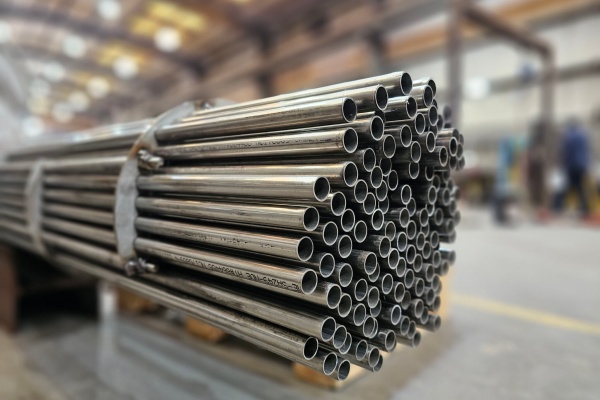
Titanium alloys have a knack for rescuing designs when weight and strength are both non-negotiable. I’ve hit that wall more than once—where steel was too heavy and aluminum too soft—and titanium struck the right balance. With high strength at low density, plus durability in harsh environments, it’s no surprise these alloys show up everywhere from aircraft to implants. Below, we unpack what drives their strength, how grades and microstructures change performance, where they outperform other metals, and why they’re often worth the investment. Titanium Alloys Offer Exceptional Strength-to-Weight Ratios Titanium alloys are renowned for their exceptional strength-to-weight ratios, a critical property for many advanced engineering applications. This characteristic means they deliver high structural integrity without adding excessive mass, which is vital in industries like aerospace and automotive. 1. What defines the strength of titanium alloys? The strength of titanium alloys is primarily characterized by tensile strength, yield strength, and fracture toughness. Tensile strength is the maximum stress the material withstands before breaking; yield strength marks the onset of plastic deformation; fracture toughness gauges resistance to crack growth. These metrics flow from titanium’s atomic bonding and its propensity to form stable intermetallics with alloying elements. The underlying crystal structures—hexagonal close-packed (HCP) in alpha phases and body-centered cubic (BCC) in beta phases—play a decisive role in how these alloys deform and carry load. 2. How do different titanium alloy grades influence mechanical properties? Titanium alloy grades differ in composition and microstructure, which in turn shape their mechanical response. We group them as alpha, alpha-beta, and beta alloys. Alpha alloys, including commercially pure titanium (CP Ti), provide strong corrosion resistance and weldability with moderate strength. Alpha-beta alloys such as Ti-6Al-4V balance strength, ductility, and toughness and are broadly useful. Beta alloys offer the highest strength and hardenability, especially valuable at elevated temperatures. Elements like aluminum (Al), vanadium (V), and molybdenum (Mo) stabilize specific phases and refine grain structure, directly steering final properties. For more information on specific grades, consider reading What Is The Most Commonly Used Titanium Alloy. 3. Why is titanium’s strength-to-weight ratio crucial for engineering applications? That standout ratio lets us design lighter components without sacrificing robustness. In aerospace, every kilogram saved pays back in fuel efficiency and payload. In medical implants, high strength at low mass reduces stress on the body while ensuring long-term durability. This opens the door to geometries and performance targets that denser materials would make impractical,
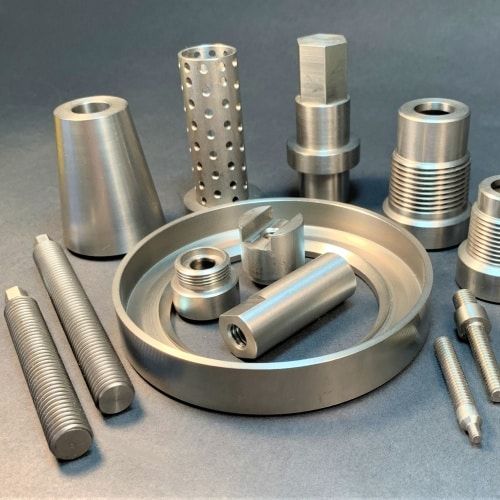
As an after-sales engineer, I’m constantly fielding questions about advanced materials—and titanium alloys come up more than anything else. A well-chosen grade has saved more than one client from unnecessary weight, premature wear, and long downtime. Getting the nuances right matters: understanding composition, microstructure, and operating environment directly drives performance and service life. Here’s how I typically break it down for customers—what sets titanium apart, how its properties hold up in real-world conditions, and why it’s become essential across so many critical industries. Understanding the Unique Characteristics of Titanium Alloys Titanium alloys live in that rare sweet spot engineers are always chasing: high strength, low mass, and outstanding corrosion resistance. In demanding environments, they frequently outperform traditional metals, and in certain use cases, they can deliver advantages steel simply can’t match. 1. What makes titanium alloys stand out from other metals What consistently impresses me is the strength-to-weight ratio—far higher than steel—which lets you cut mass without sacrificing structural integrity. That’s a game-changer anywhere weight is the enemy. Add in their innate corrosion resistance, especially against saltwater and aggressive chemicals, thanks to a naturally forming passive oxide layer that shields the surface. On top of that, titanium alloys are highly biocompatible and don’t trigger adverse reactions in contact with tissue, which is why they’re trusted for medical and dental implants. 2. Key mechanical and chemical properties of titanium alloys Mechanically, titanium alloys deliver high tensile strength, excellent fatigue resistance, and solid toughness—exactly what you want under cyclic loads and impact. Chemically, they’re resilient against oxidation and chloride-induced corrosion, so they hold their form and function in harsh settings like marine and chemical processing. Their relatively low coefficient of thermal expansion also helps parts stay dimensionally stable as temperatures shift. 3. Common grades and compositions of titanium alloys Titanium alloys are broadly grouped into alpha, alpha-beta, and beta families. Their behavior stems from microstructure and alloying elements, which is why each category brings different strengths to the table. Alloy Type Primary Alloying Elements Key Characteristics Typical Applications Alpha Aluminum, Tin, Zirconium Good weldability, high-temperature strength, excellent corrosion resistance. Cryogenic vessels, airframe components, chemical processing equipment. Alpha-Beta Aluminum, Vanadium High strength, good ductility, excellent fatigue properties, heat treatable. Aerospace structures, medical implants, marine components. Beta Vanadium, Molybdenum, Chromium Very high strength, good formability, deep hardenability. Landing gear, fasteners, springs. The most common grade, Ti-6Al-4V (an alpha-beta alloy), showcases titanium’s versatility. Aluminum boosts
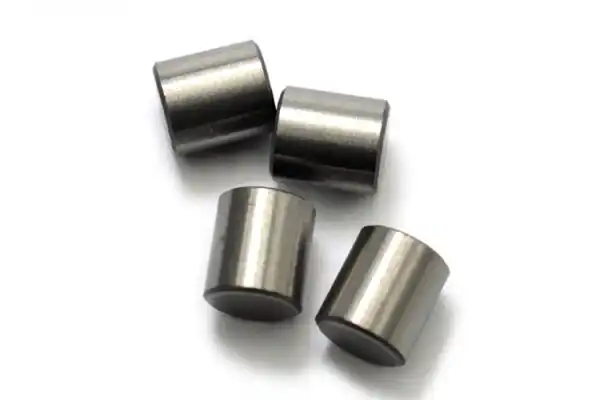
Choosing the right material can be the difference between a system that runs quietly for years and one that struggles from day one—I’ve seen both outcomes on shop floors and in test labs. When projects hinge on density, heat tolerance, or electrical behavior, tungsten and molybdenum alloys consistently rise to the challenge. Below, we cut through the noise and share where each alloy really shines—high-density tungsten for mass and shielding, W-Cu for thermal and electrical performance, and Mo-Cu for CTE-matched packaging—along with how these choices solve real industrial problems and how FOTMA supports them from manufacturing to application. Understanding the Unique Properties of High-Performance Alloys High-performance alloys, especially those built on tungsten and molybdenum, deliver capabilities that outpace conventional steels in harsh environments. Designed for extremes—temperature, radiation, wear—these materials keep processes stable where standard metals fall short. Knowing what sets them apart is the first step to optimizing performance and designing robust products. 1. What defines high-density tungsten alloys and their benefits? High-density tungsten alloys (WHAs), typically 85–97% tungsten with nickel-iron or nickel-copper binders, achieve densities roughly twice that of steel. That mass translates into outstanding radiation shielding, which is why they’re staples in both medical and industrial settings. Beyond density, WHAs combine excellent machinability, high strength, and reliable corrosion resistance with strong dimensional stability—ideal for precision parts. We offer customized tungsten alloy counterweights and radiation shielding products tailored to these needs. High-Density Tungsten Alloy (WHA) Properties: Property Description Typical Range (WHA) Density Extremely high, crucial for shielding and balancing. 17.0 – 18.8 g/cm³ Composition Tungsten (W) with Ni-Fe or Ni-Cu binders. 85-97% W Machinability Good, allowing for complex shapes and precise tolerances. Excellent Strength High tensile and compressive strength. Up to 1000 MPa (UTS) Corrosion Resist Good resistance to various corrosive environments. High Shielding Superior absorption of X-rays and gamma rays. Excellent Dimensional Stab Maintains shape and size under varying conditions. High Non-magnetic Available in non-magnetic grades for specific applications. Optional These traits make WHAs a go-to when you need substantial mass in tight spaces or efficient radiation attenuation. They’re frequently chosen over lead because they’re non-toxic and mechanically stronger. In aerospace, for instance, they serve as precise counterweights. We also provide Tungsten Alloy Radiation Shielding for various applications. 2. How do tungsten-copper alloys enhance thermal management and electrical performance? Tungsten-copper (W-Cu) alloys, produced via powder metallurgy, blend tungsten’s high melting point, density, and arc resistance with copper’s exceptional
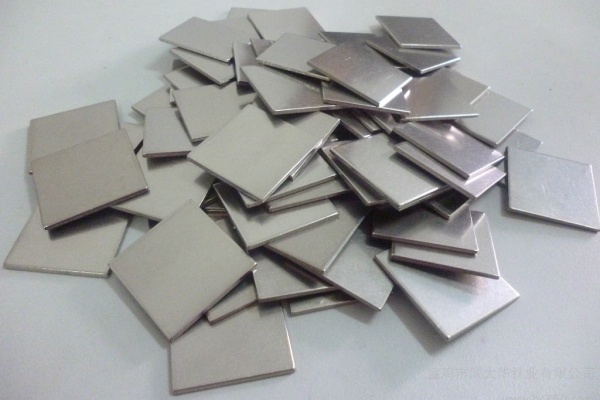
When you spend enough time in the field, a pattern emerges: the parts that look fine on paper often struggle once they’re thrown into real heat, current, and arc-heavy service. I’ve seen contacts pit within weeks and electrodes mushroom by month’s end—until we switched to silver tungsten. Its mix of conductivity, arc erosion resistance, and thermal stability consistently pulls equipment back from the brink. Below, I’ll walk through what makes these alloys tick, where they shine, and how we manufacture and qualify them so they deliver when conditions get extreme. Understanding the Unique Properties of Silver Tungsten Alloys 1. What are Silver Tungsten Alloys? Silver tungsten alloys are engineered composites that pair silver’s superb electrical and thermal conductivity with tungsten’s very high melting point, hardness, and wear resistance. They aren’t true solid solutions; they’re pseudo-alloys produced via powder metallurgy, where fine tungsten particles are distributed throughout a silver matrix. This structure taps into the strengths of both elements for performance that outpaces either metal alone. By tuning the silver-to-tungsten ratio, we can steer the alloy’s behavior to suit different tasks, which makes these materials exceptionally versatile. 2. The Synergistic Benefits of Silver and Tungsten Blend silver with tungsten and you get a balanced, high-performance material tailored for demanding duty. Silver brings the low resistivity and fast heat flow needed for efficient current transfer and rapid thermal dissipation. Tungsten contributes mechanical backbone—hardness, wear resistance, and a formidable melting point—so components keep their shape and shrug off arc erosion. Together, they tolerate punishing temperatures and electrical stress that would quickly age conventional materials, making silver tungsten a natural fit for critical electrical and thermal management roles. 3. Key Physical and Chemical Characteristics Silver tungsten alloys exhibit a set of core properties that dictate their real-world performance. High Electrical Conductivity: Silver ensures strong current-carrying capability and reduces I²R losses. Superior Thermal Conductivity: Heat is pulled away efficiently to avoid hot spots and thermal runaway. Exceptional Arc Erosion Resistance: Tungsten’s hardness and melting point curb crater formation and material transfer under arcing. High Hardness and Wear Resistance: Components last longer in abrasive or repetitive operation. Good Machinability (relative to pure tungsten): While not trivial to machine, complex geometries are achievable for real design flexibility. Adjustable Coefficient of Thermal Expansion (CTE): Tweaking the Ag/W ratio helps match CTE with adjoining materials, cutting thermal stresses. Corrosion Resistance: Silver imparts a measure of resistance, especially against oxidation.
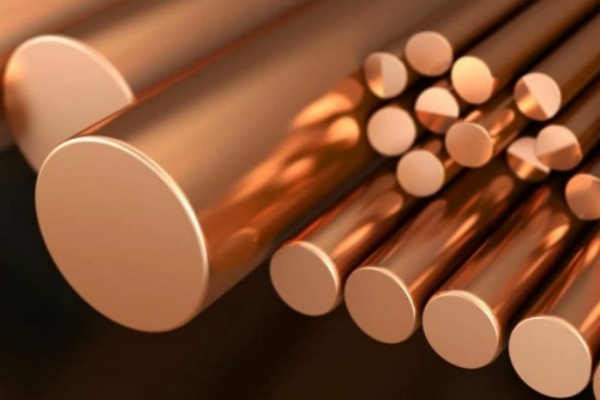
When materials decisions get tight and timelines are tighter, I’ve seen silver copper nickel alloys quietly rescue projects that needed both clean conductivity and real-world toughness. They deliver a rare balance—electrical and thermal performance from silver and copper, mechanical strength and corrosion resistance from nickel—without forcing ugly trade-offs. Below, we walk through what makes these alloys tick, where they excel (from electronics to aerospace), how we manufacture and customize them, and how they compare with tungsten copper and molybdenum copper solutions so you can choose with confidence. Exploring the Unique Characteristics of Silver Copper Nickel Alloys Silver copper nickel alloys form a focused family of engineered materials that deliberately blend the strengths of their constituent metals. They’re not simple mixes; their microstructures are tuned by composition and processing to achieve targeted performance. Silver contributes outstanding electrical and thermal conductivity, copper brings ductility and additional conductivity, and nickel elevates strength and corrosion resistance—together creating a versatile, well-rounded material. 1. Defining Silver Copper Nickel Alloys and Their Composition Silver copper nickel alloys are ternary systems built around silver (Ag), copper (Cu), and nickel (Ni). Property outcomes track closely with the exact percentages. Silver drives the high electrical and thermal conductivity; copper improves ductility and supports conductivity; nickel—even in modest amounts—significantly lifts mechanical strength, hardness, and corrosion resistance. Compositions are tailored to match application needs: push silver higher for best-in-class conductivity, or increase nickel to build wear resistance and strength. Grasping these compositional levers is essential to choosing the right grade. 2. Unveiling the Physical and Mechanical Properties These alloys stand out for their strength and hardness relative to pure silver or copper, thanks to solid solution strengthening from nickel within the Ag–Cu matrix and, in many cases, precipitation hardening. They retain good ductility and workability, supporting common manufacturing routes. Performance remains stable over wide temperature ranges, which is especially helpful in thermal cycling or elevated-temperature environments. Density typically sits between that of pure copper and pure silver, depending on formulation. 3. Examining the Electrical and Thermal Conductivity Benefits One of the core wins here is conductivity. Silver leads all metals in electrical and thermal conductivity, and that advantage carries through; copper further supports this. While nickel tends to damp conductivity, its content is carefully controlled so mechanical gains don’t unduly compromise electrical or thermal performance. The result is a material that moves current efficiently and sheds heat well—crucial for high-power and high-frequency
Sheet nickel has a way of showing up wherever reliability matters—I’ve seen it quietly outperform in places where downtime simply isn’t an option. Below, I walk through what it is and why it’s so widely used, the key properties and grades that dictate performance, where it shines in real-world applications, how it’s made and certified, and what to consider when sourcing—from specifications and customization to supplier expertise and lead times. If you’re aiming for the right balance of corrosion resistance, strength, conductivity, and fabrication ease, this will help you zero in on the exact sheet nickel that fits your project. What is Sheet Nickel and Why is it Essential for Industry 1. Defining Sheet Nickel and its Primary Characteristics Sheet nickel is nickel metal rolled into a flat, thin form. Visually, it’s silvery-white with a high luster, but its appeal goes far beyond looks. It delivers excellent corrosion resistance, reliable electrical and thermal conductivity, and retains strength at elevated temperatures. Those traits make it a go-to choice for demanding industrial environments. 2. Exploring the Unique Advantages of Nickel as a Material Nickel stands out for its resilience in corrosive conditions—acids, alkalis, and saltwater included—making it a natural fit for harsh chemical processing. It also offers good ductility and toughness, so complex shapes are feasible without sacrificing durability. Add in its ferromagnetic behavior and catalytic activity, and you get a material that’s useful in a range of specialized roles. 3. How Different Purity Levels Impact Sheet Nickel Performance Purity plays a pivotal role in performance. Higher-purity nickel generally improves corrosion resistance, electrical conductivity, and ductility. For example, 99.9% purity is often specified in electronics when maximum conductivity is needed. Lower-purity grades—typically alloyed—can trade a bit of conductivity for increased strength or targeted thermal properties. Choosing the right purity is essential for meeting operational goals. If you are interested in how different compositions affect performance, you might find What Do Copper And Nickel Make insightful. Delving into the Key Properties and Grades of Sheet Nickel 1. Mechanical Properties: Strength, Ductility, and Hardness Sheet nickel offers a balanced mechanical profile. Its moderate tensile strength can be boosted via alloying and cold work, while excellent ductility allows forming, bending, and drawing without cracking. Hardness depends on purity and processing, but nickel typically resists wear and abrasion well—useful for components that need to last. 2. Chemical Properties: Corrosion Resistance and Oxidation Stability Corrosion resistance is
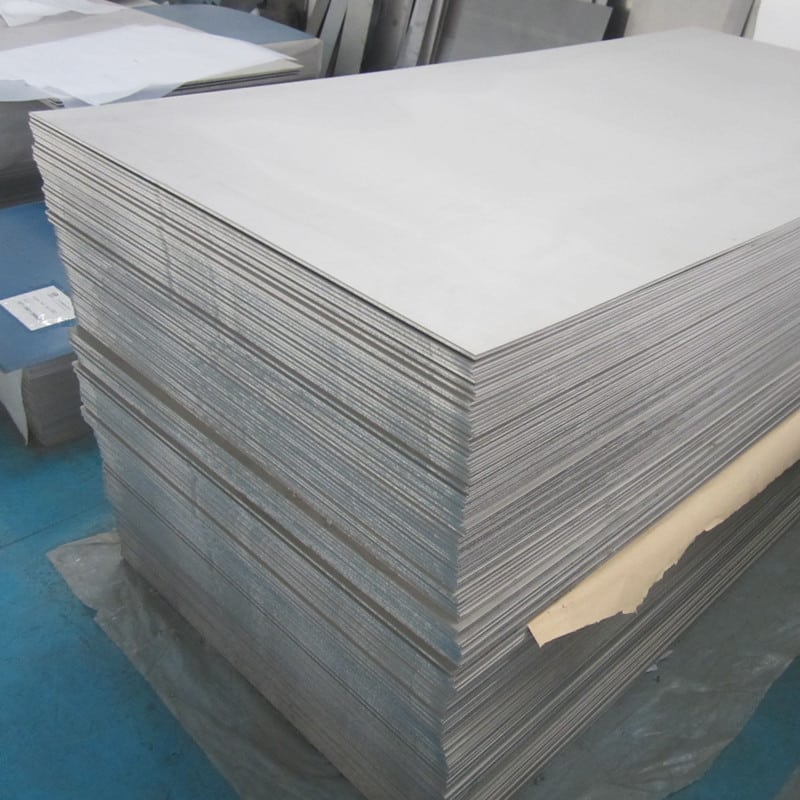
As an engineer who’s spent a good chunk of my career wrestling with advanced materials, I can tell you that finding the right stuff for the job is often half the battle. When the stakes are high and performance is non-negotiable, I find myself consistently turning to titanium sheet metal. It’s not just another option; it’s often the solution, especially for those really tough industrial applications. There’s just something about its unique blend of properties that hits all the right notes across so many different sectors. Honestly, getting a handle on what makes titanium tick and what that means for your project is absolutely vital if you want to make smart material choices. Let’s dive in and see why titanium sheet metal shines where other, more conventional materials just can’t keep up. Why Titanium Sheet Metal is Essential for Demanding Applications 1. Understanding the unique properties of titanium alloys Titanium alloys, in my experience, offer a truly unmatched combination of characteristics that make them absolutely indispensable in critical applications. We’re talking about an incredible strength-to-weight ratio, corrosion resistance that’s off the charts, and a biocompatibility that frankly, blows other metals out of the water. What’s really neat is how titanium, unlike so many other metals, just naturally forms this passive oxide layer. It’s like a built-in force field, giving it inherent protection against even the most aggressive chemical environments. This natural passivation isn’t just a fancy term; it’s the secret sauce behind its incredible longevity, even in the harshest conditions you can throw at it. Plus, it’s a real trooper when it comes to temperature, holding its mechanical integrity from the freezing depths of cryogenic temps all the way up to scorching heat. 2. The critical role of titanium in high-performance industries Given all those unique properties, it’s no surprise that titanium has carved out a vital niche in industries where performance and reliability aren’t just buzzwords, but absolute necessities. Think aerospace – they practically live and breathe titanium’s lightweight strength to shave off fuel consumption and squeeze in more payload. Then there’s the medical field, where its biocompatibility is a godsend for implants that integrate so seamlessly with the human body, it’s almost miraculous. And let’s not forget chemical processing; its corrosion resistance is key to keeping equipment intact when handling some truly nasty substances. These sectors aren’t just asking for good materials; they’re demanding flawless performance under extreme
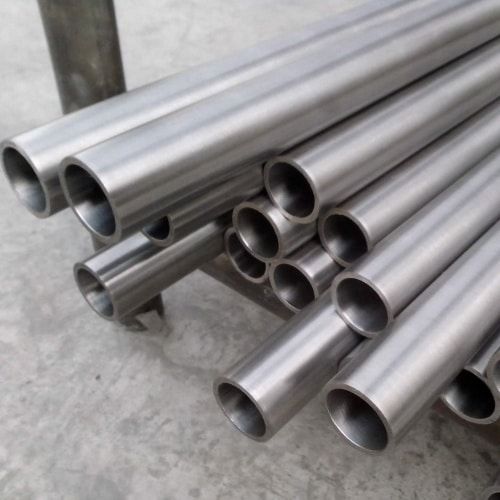
As an after-sales engineer, I’ve seen firsthand how the right material can make or break an industrial project. And let me tell you, when it comes to high-performance materials, seamless titanium tubes are in a league of their own. They offer this incredible blend of advantages, especially when you’re dealing with really tough environments. It’s not just about picking any tubing; it’s about making sure you pick the right one for long-term operational integrity. That’s why I put this guide together – to help engineers and procurement folks truly understand what makes seamless titanium tubes so special, from their properties to their applications and benefits, so they can make smart choices for their critical projects. Understanding the Unique Characteristics of Seamless Titanium Tubes Seamless titanium tubes bring a truly unique set of characteristics to the table, making them absolutely essential in so many high-tech industries. Their incredible qualities really boil down to titanium’s atomic makeup and the meticulous way they’re manufactured. From where I stand, really grasping these characteristics is the first step to unlocking titanium’s full potential in those make-or-break applications. 1. What makes seamless titanium tubes a superior choice? What sets seamless titanium tubes apart? Well, it’s their incredible strength-to-weight ratio, their almost unbelievable resistance to corrosion, and their excellent biocompatibility. Unlike their welded counterparts, seamless tubes have this perfectly uniform microstructure all the way through. That means no weak spots from welds, just consistent, reliable performance even when facing extreme pressure and temperature swings. Honestly, I’ve seen this inherent reliability be the primary reason engineers choose them for the most critical systems. 2. Exploring the metallurgical composition and grades of titanium alloys Titanium isn’t just one thing; it comes in several commercially pure grades and a whole host of alloys, each one fine-tuned for specific performance needs. You’ve got your commercially pure titanium (CP Ti) grades, like Grade 1, 2, 3, and 4, which offer different balances of strength and ductility. Then there are the alloys, like the famous Ti-6Al-4V (Grade 5), where elements like aluminum and vanadium are added to really boost strength, creep resistance, and fracture toughness. We actually supply a range of Titanium Alloy Products to cover all sorts of industrial demands. Getting a handle on these different grades is absolutely key to pairing the right material with the job at hand. If you’re interested, check What Is The Most Commonly Used Titanium Alloy.
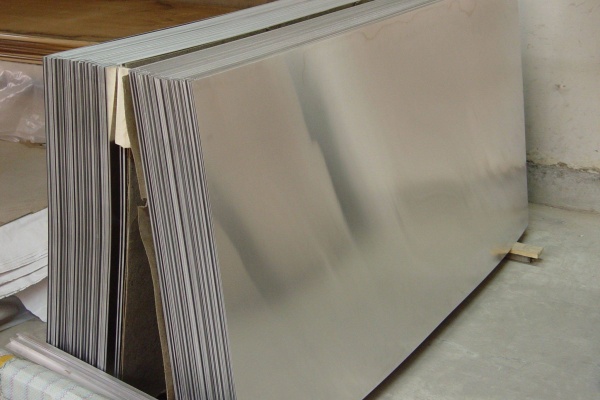
You know, when you’re dealing with industrial materials, it’s rare to find something that truly hits that sweet spot between looking good and actually performing under pressure. But satin nickel sheet metal? It’s kind of a standout in that regard. We’re seeing it pop up more and more in places where both aesthetics and tough-as-nails durability are non-negotiable. This stuff, with its unique finish and inherent properties, really does offer some serious advantages over a lot of the other common metals out there. Getting a handle on what it is, where it shines, and how to get your hands on it can make a world of difference for engineers and procurement folks trying to make smart choices for their projects. Exploring the Unique Properties of Satin Nickel Sheet Metal First off, let’s clear something up: satin nickel isn’t some new element you missed in chemistry class. It’s actually a finish, a sort of fancy jacket, applied to other metals – usually steel, brass, or zinc – through a process called electroplating. The “satin” look? That comes from a super fine brushing or abrading of the surface either before or during the nickel plating. It gives it this subtle, matte sheen, not that blinding, mirror-like reflection you get from polished chrome. And honestly, this finish isn’t just for show; it genuinely boosts both how it looks and how well it works. 1. What makes satin nickel an ideal material for specific uses? What’s the big deal with satin nickel, you ask? Well, it’s all about balance. You get the underlying strength and workability of the base metal, but then you layer on the superior surface qualities of nickel. That muted, non-shiny finish is fantastic for cutting down glare, which is a real plus in environments where you don’t want a lot of reflection bouncing around. This aesthetic quality makes it perfect for those visible parts in industrial designs where you want things to look sharp and professional. Plus, that plating process creates a hard, tough surface that resists wear and tear, which means whatever you’re building is going to last a good long while. 2. How does its corrosion resistance benefit long-term applications? Nickel plating, by its very nature, is a champ at fighting off corrosion. It forms this brilliant protective shield against rust and chemical attacks. And even with that textured satin finish, it doesn’t lose an ounce of that