
The first time I picked up a tungsten counterweight, I remember thinking how improbable it felt—so compact, yet unmistakably dense and purposeful. That same combination of strength, density, and high-temperature resilience is why tungsten alloys keep showing up wherever conditions get unforgiving. Here, we look at what makes tungsten and its alloys special, how high-density and tungsten–copper systems are engineered and used, and what to weigh up when selecting the right grade. Along the way, I’ll share where these materials shine in real-world aerospace, medical, electronics, and tooling environments—and how careful manufacturing and quality control translate into reliable performance.
Tungsten stands out among metals for its extraordinary characteristics. These properties make it indispensable in applications where other materials fail. We delve into its inherent attributes and how alloying further enhances its capabilities.
Pure tungsten possesses the highest melting point of all metals, reaching an astounding 3,422°C (6,192°F). This makes it a natural fit for high-temperature environments. With a density of approximately 19.3 g/cm³—on par with gold—it delivers substantial mass in a small footprint, which is why it performs so well in weight-critical or radiation-shielding roles. It also offers remarkable tensile strength and hardness, holding its shape under intense stress. The trade-off, however, is brittleness at room temperature, which limits the direct structural use of pure tungsten in many applications.
To counter pure tungsten’s room-temperature brittleness—and to fine-tune other properties—engineers introduce alloying elements. The result is a more balanced blend of strength, ductility, and targeted functionality. For example, nickel, iron, and copper are common binders in tungsten heavy alloys, improving machinability and ductility while preserving high density and strength. In other formulations, copper is added to boost thermal and electrical conductivity, enabling specialized composites. Getting the composition right is critical, as it governs the final properties and determines where each alloy excels.
High-density tungsten alloys (WHAs) represent a pinnacle in material science. They combine tungsten’s exceptional density with improved mechanical properties. These alloys are crucial for applications demanding both strength and significant mass.
High-Density Tungsten Alloy (WHA / Tungsten Heavy Alloy) typically consist of 85–97% tungsten, with the remaining percentage comprising binder elements such as nickel and iron (Ni-Fe) or nickel and copper (Ni-Cu). The manufacturing process usually involves powder metallurgy. First, fine tungsten powder is mixed with the binder powders. This mixture is then pressed into a desired shape and sintered at high temperatures, often above 1400°C. During sintering, the binder phase melts and encapsulates the tungsten particles, forming a dense, homogeneous microstructure. This liquid-phase sintering process is crucial for achieving high density and improving the alloy’s mechanical properties. We ensure meticulous control over powder size, mixing ratios, and sintering parameters to produce superior quality WHAs.
High-Density Tungsten Alloy (WHA / Tungsten Heavy Alloy) offer a unique combination of properties. Their high density provides excellent kinetic energy and radiation shielding capabilities. Mechanically, they exhibit high tensile strength, good ductility, and impressive toughness, especially compared to pure tungsten. These alloys also possess good corrosion resistance, making them suitable for harsh environments. The Ni-Fe binder typically offers higher strength and ductility, while Ni-Cu binders can provide non-magnetic properties, which are critical for certain sensitive electronic and medical applications. These characteristics make WHAs an engineer’s preferred choice for demanding structural and functional components.
| Property | High-Density Tungsten Alloy (WHA) | Pure Tungsten | Stainless Steel (316L) | Lead (Pb) |
|---|---|---|---|---|
| Density (g/cm³) | 17.0 – 18.8 | 19.3 | 8.0 | 11.3 |
| Tensile Strength (MPa) | 700 – 1000 | 550 | 485 | 12 |
| Hardness (HRC) | 25 – 35 | 70 (Rockwell A) | 79 (Rockwell B) | 5 (Brinell) |
| Melting Point (°C) | ~1400 (binder phase) | 3422 | ~1400 | 327 |
| Ductility | Good | Poor | Excellent | Excellent |
| Radiation Shielding | Excellent | Excellent | Moderate | Good |
The exceptional properties of High-Density Tungsten Alloy (WHA / Tungsten Heavy Alloy) lead to their widespread use across various critical industries. In aerospace, they serve as counterweights for aircraft and missile guidance systems, providing precise balance and stability. Their high density makes them invaluable for radiation shielding in medical linear accelerators, nuclear power plants, and industrial radiography equipment. We also find them in sports equipment, such as golf club weights and dart barrels, for enhanced performance. Furthermore, their strength and wear resistance make them suitable for high-temperature tooling and kinetic energy penetrators.
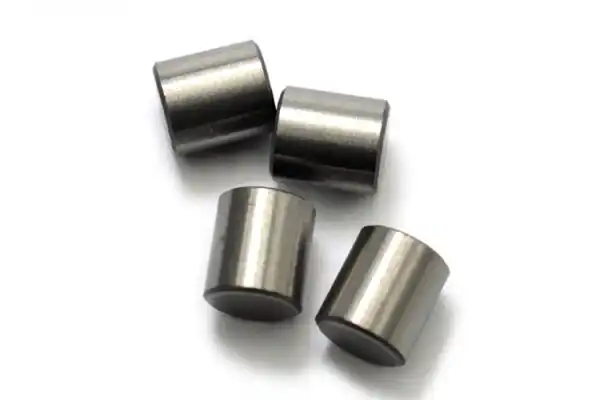
If you need materials for aerospace counterweights or radiation shielding, you might find A European Auto Enthusiasts Smooth Purchase Of Tungsten Alloy Weights On Tungstenbuy particularly insightful.
Wcu Tungsten Copper Alloy are another class of advanced materials engineered to leverage the best attributes of their constituent elements. They provide a unique balance of thermal, electrical, and mechanical properties.
Wcu Tungsten Copper Alloy combine the high melting point, low thermal expansion, and excellent arc erosion resistance of tungsten with the high electrical and thermal conductivity of copper. This synergistic blend is achieved through powder metallurgy, similar to WHAs, where copper infiltrates a porous tungsten skeleton. The resulting composite material offers properties superior to either pure metal alone. The tungsten matrix provides structural integrity and wear resistance, while the copper phase ensures efficient heat dissipation and electrical current flow. This makes W-Cu alloys ideal for applications requiring both robust mechanical performance and efficient thermal or electrical management.
The unique microstructure of Wcu Tungsten Copper Alloy allows them to excel in thermal and electrical management. The high thermal conductivity of copper efficiently draws heat away from critical components, preventing overheating and ensuring stable operation. Simultaneously, tungsten’s low coefficient of thermal expansion (CTE) helps match the CTE of other materials, such as semiconductors, minimizing thermal stress and preventing delamination. In electrical applications, the copper provides excellent conductivity, while tungsten’s arc resistance protects contacts from degradation during switching operations. This combination is particularly valuable in high-power electronic devices and electrical contacts.
Wcu Tungsten Copper Alloy find extensive use in demanding environments. They are widely employed as electrical contacts in high-voltage switchgear and circuit breakers due to their superior arc erosion resistance. In electronics, they serve as heat sinks and thermal spreaders for high-power devices like IGBT modules and RF components, ensuring reliable operation by dissipating heat effectively. Resistance welding electrodes also frequently utilize W-Cu alloys for their combination of hardness, conductivity, and wear resistance. Furthermore, their use extends to EDM (Electrical Discharge Machining) electrodes and even certain aerospace thermal components.
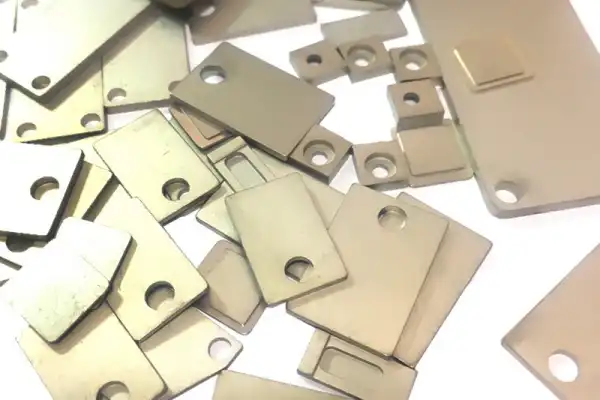
For more detailed information on their use in critical sectors, consider reading Comprehensive Applications Of Tungsten Copper Alloy In Aerospace And New Energy Vehicles.
Choosing the correct tungsten alloy is critical for ensuring optimal performance and longevity in extreme applications. We guide you through the selection process and highlight FOTMA’s commitment to quality.
Several factors influence the selection of the most suitable tungsten alloy. First, consider the primary function: Is it for high density, thermal management, electrical contacts, or wear resistance? Second, evaluate the operating environment, including temperature, corrosive agents, and mechanical stresses. Third, assess the required mechanical properties such as tensile strength, hardness, and ductility. Finally, consider manufacturing and machining capabilities, as some alloys are more challenging to process than others. A thorough understanding of these factors ensures the chosen alloy meets specific performance requirements.
| Factor | High-Density Tungsten Alloy (WHA) | Tungsten Copper (W-Cu) Alloy |
|---|---|---|
| Primary Benefit | High Density, Strength, Shielding | Thermal/Electrical Conductivity, Arc Resistance |
| Key Applications | Counterweights, Radiation Shields, Kinetic Penetrators | Heat Sinks, Electrical Contacts, Welding Electrodes |
| Density Range (g/cm³) | 17.0 – 18.8 | 13.0 – 17.0 |
| Thermal Conductivity (W/m·K) | Moderate (60-120) | High (170-220) |
| Electrical Conductivity (%IACS) | Low (10-20) | High (34-60) |
| Machinability | Good | Good |
| Typical Binder | Ni-Fe, Ni-Cu | Cu |
At FOTMA, we possess over 30 years of technical accumulation in material research and production. Our expertise allows us to provide complete solutions for mechanical processing and manufacturing, including precision instrument accessories. We specialize in producing High-Density Tungsten Alloy (WHA / Tungsten Heavy Alloy) and Wcu Tungsten Copper Alloy, tailored to meet the exact specifications of our clients. Our modern production equipment and advanced testing methods ensure that every product adheres to the highest quality standards. We collaborate closely with engineers and procurement specialists to develop customized solutions that address unique challenges in high-performance industries.
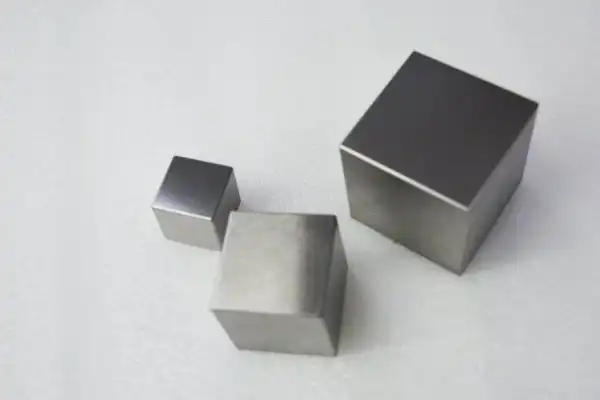
Quality and reliability are paramount when dealing with materials for extreme applications. We implement stringent quality control measures throughout our manufacturing processes, from raw material selection to final product inspection. Our ISO-9000-1:2008 certification reflects our commitment to maintaining high standards. We conduct comprehensive testing, including mechanical property evaluation, density checks, and microstructural analysis, to ensure each batch of tungsten alloy meets performance specifications. This rigorous approach guarantees that our materials perform reliably under the most demanding conditions, providing peace of mind for our customers.
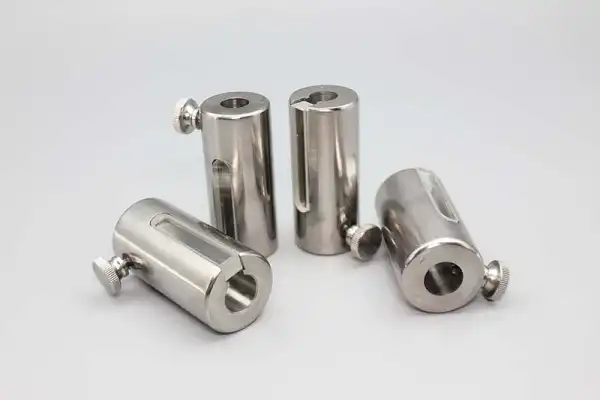
Selecting the strongest tungsten alloy for your extreme application requires deep material knowledge and reliable manufacturing. At FOTMA, we combine decades of expertise with advanced production capabilities to deliver superior tungsten and molybdenum products. Contact us today to discuss your specific requirements and discover how our customized solutions can enhance your project’s performance and reliability. Reach out to us at +86 13995656368, +86 13907199894, or email bunny@fotma.com, export@fotma.com.
Alex Chen is dedicated to ensuring clients receive timely solutions and achieve optimal performance from their products. Passionate about problem-solving and continuous improvement, Alex provides expert insights and practical guidance to help customers maximize the value of their purchases.
Tungsten alloys gain enhanced strength and ductility through the addition of binder elements like nickel, iron, or copper. These binders form a matrix that surrounds the tungsten particles, improving the material’s ability to resist fracture and deformation while retaining tungsten’s inherent high density and melting point.
High-Density Tungsten Alloy (WHA / Tungsten Heavy Alloy) are primarily used in aerospace for counterweights, in medical and nuclear fields for radiation shielding, in defense for kinetic energy penetrators, and in sports for weights and balance. Their high density and strength make them ideal for these critical applications.
Yes, Wcu Tungsten Copper Alloy can be customized by adjusting the tungsten-to-copper ratio. Higher copper content increases electrical and thermal conductivity, while higher tungsten content enhances hardness, wear resistance, and arc erosion resistance. This flexibility allows for tailoring the alloy to precise thermal or electrical management needs.
High-Density Tungsten Alloy (WHA / Tungsten Heavy Alloy) are machinable, but their high hardness and density require specialized tools and techniques. Considerations include using carbide tooling, slow cutting speeds, ample coolant, and robust machinery to prevent tool wear and ensure dimensional accuracy.
FOTMA ensures quality through stringent adherence to ISO-9000-1:2008 standards, employing modern production equipment, and utilizing advanced testing methods. We conduct rigorous inspections at every stage, from raw material verification to final product performance testing, guaranteeing reliability and meeting customer specifications.