
As an engineer who’s spent a good chunk of my career wrestling with advanced materials, I can tell you that finding the right stuff for the job is often half the battle. When the stakes are high and performance is non-negotiable, I find myself consistently turning to titanium sheet metal. It’s not just another option; it’s often the solution, especially for those really tough industrial applications. There’s just something about its unique blend of properties that hits all the right notes across so many different sectors. Honestly, getting a handle on what makes titanium tick and what that means for your project is absolutely vital if you want to make smart material choices. Let’s dive in and see why titanium sheet metal shines where other, more conventional materials just can’t keep up.
Titanium alloys, in my experience, offer a truly unmatched combination of characteristics that make them absolutely indispensable in critical applications. We’re talking about an incredible strength-to-weight ratio, corrosion resistance that’s off the charts, and a biocompatibility that frankly, blows other metals out of the water. What’s really neat is how titanium, unlike so many other metals, just naturally forms this passive oxide layer. It’s like a built-in force field, giving it inherent protection against even the most aggressive chemical environments. This natural passivation isn’t just a fancy term; it’s the secret sauce behind its incredible longevity, even in the harshest conditions you can throw at it. Plus, it’s a real trooper when it comes to temperature, holding its mechanical integrity from the freezing depths of cryogenic temps all the way up to scorching heat.
Given all those unique properties, it’s no surprise that titanium has carved out a vital niche in industries where performance and reliability aren’t just buzzwords, but absolute necessities. Think aerospace – they practically live and breathe titanium’s lightweight strength to shave off fuel consumption and squeeze in more payload. Then there’s the medical field, where its biocompatibility is a godsend for implants that integrate so seamlessly with the human body, it’s almost miraculous. And let’s not forget chemical processing; its corrosion resistance is key to keeping equipment intact when handling some truly nasty substances. These sectors aren’t just asking for good materials; they’re demanding flawless performance under extreme conditions, and time and again, titanium steps up to the plate.
If you ask me, titanium’s strength-to-weight ratio is one of its most impressive party tricks. Imagine having the strength of many steels, but at roughly half the density. That’s what titanium brings to the table. This means engineers can design components that are significantly lighter without, and this is the crucial part, ever compromising structural integrity. And what does lighter mean in the real world? Better fuel efficiency for planes and cars, snappier maneuverability for defense systems. It’s not just about making things lighter; it’s about unlocking a whole new level of design flexibility and operational advantages.
I’ve seen metals crumble under the pressure of corrosive environments, but titanium? It’s a different beast altogether. Its resistance to corrosion is truly extraordinary, holding its own against everything from seawater and chlorine to strong acids and a whole host of industrial chemicals. That tenacious, self-healing passive oxide film on its surface is like a superhero shield, stopping degradation in its tracks. This makes titanium sheet metal a no-brainer for marine applications, chemical processing plants, and offshore oil and gas rigs – places where other metals would simply give up the ghost in no time. Its long-term durability in these brutal environments isn’t just a nice-to-have; it translates directly into massive savings on maintenance and significantly longer operational lifespans.
Now, let’s talk about biocompatibility – a property that’s absolutely critical for titanium’s widespread use in medicine and certain aerospace applications. The beauty of titanium is that it’s non-toxic and non-allergenic, meaning it plays nice with human tissue and bodily fluids. This is a huge deal for things like surgical implants, prosthetics, and medical instruments. And in aerospace, where human safety is, understandably, the absolute top priority, titanium’s inertness means no nasty surprises or adverse reactions with various fluids and gases.
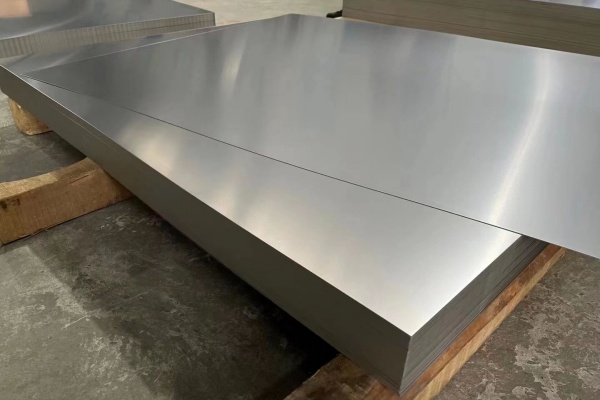
Another feather in titanium’s cap is its excellent thermal stability. It holds onto its mechanical properties even when things get really hot, which is why you’ll find it in places like aircraft engine components. And then there’s its superior fatigue resistance – meaning it can take a beating, enduring countless stress cycles without failing. For components constantly under dynamic loads and vibrations, this property is a lifeline, ensuring long-term reliability and safety in the most demanding operational conditions.
In aerospace and defense, titanium sheet metal isn’t just useful; it’s utterly indispensable. Its lightweight, high-strength characteristics make it the go-to for aircraft frames, landing gear, engine components, and even missile casings. The fact that it can shrug off extreme temperatures and corrosive environments means critical systems stay safe and last longer. And, as I mentioned, cutting weight directly translates to better fuel efficiency and more payload capacity for our aircraft – a win-win.
When it comes to medical implants, titanium’s exceptional biocompatibility makes it the undisputed champion. We’re talking hip and knee replacements, dental implants, surgical instruments – you name it. The human body genuinely tolerates titanium incredibly well, which drastically minimizes rejection risks and actually encourages osseointegration. Plus, its corrosion resistance means these implants perform reliably for years inside the body, offering patients durable and safe solutions that truly last.
The chemical processing industry, bless its heart, deals with some seriously aggressive chemicals, and that’s where titanium sheet metal truly shines. It’s the material of choice for heat exchangers, tanks, pipes, and valves. Titanium’s inertness to a whole gamut of acids, chlorides, and other nasty substances prevents material degradation and contamination. This isn’t just about efficiency; it’s about operational safety, cutting down on costly downtime, and extending the service life of critical infrastructure.
In the automotive and marine worlds, titanium sheet metal is bringing some serious advantages, especially when it comes to lightweighting and durability. You’ll see it in high-performance vehicles, particularly racing cars, where it’s used for exhaust systems and structural components to shed weight and boost performance. And out on the water, its unparalleled corrosion resistance to seawater makes it perfect for shipbuilding, offshore platforms, and subsea equipment, guaranteeing longevity in those brutal saltwater environments.
It’s exciting to see titanium breaking out beyond its traditional strongholds. New applications for titanium sheet metal are popping up all the time. Take consumer electronics, for instance – its strength and sleek look are making it a favorite for premium devices. Sports equipment benefits from its lightweight yet durable nature, improving both performance and the user experience. And architects are increasingly incorporating titanium for its distinctive appearance and its ability to stand up to environmental wear and tear. Oh, and for those looking for titanium material suppliers for other industries, we’ve got you covered too.
Honestly, the sheer versatility of titanium alloys means they’re suitable for an ever-growing list of advanced industrial needs. If you’re curious to dig deeper, you might want to check out Titanium And Titanium Alloys Widespread Application And Future Challenges.
Choosing the right titanium alloy isn’t just a detail; it’s absolutely critical for getting optimal performance. Think of titanium alloys as falling into three main buckets: alpha, alpha-beta, and beta types, each with its own distinct personality and properties. Alpha alloys, like Grade 2, are generally good for weldability and corrosion resistance. Alpha-beta alloys, with Ti-6Al-4V (the titanium material suppliers most common alloy) leading the pack, strike a fantastic balance of high strength, ductility, and good formability. Then you have beta alloys, such as Ti-15-3, which offer superior strength and heat treatability. Understanding these nuances is key to matching the alloy perfectly to your specific application. If you’re interested, you might find What Is The Most Commonly Used Titanium Alloy helpful.
The way titanium sheet metal is manufactured has a huge impact on its final quality and performance. Typically, the process involves melting, forging, rolling, and annealing. And believe me, strict control over every single one of these steps is essential to get the right microstructure, mechanical properties, and surface finish. We use precision rolling techniques to achieve uniform thickness and flatness – details that are absolutely critical for consistent performance in demanding applications. Ultimately, advanced quality control isn’t just a suggestion; it’s integral to producing reliable titanium products.
Picking a reliable titanium material supplier isn’t just important; it’s paramount for your project’s success. What should you look for? Experience, for starters. Then, solid quality certifications (like ISO-9000-1:2008) and deep technical expertise. A truly reputable supplier will offer a broad selection of titanium alloys and forms, backed by comprehensive material testing and full traceability. And their ability to offer technical support and custom solutions? That’s invaluable. We’re quite proud, actually, to be titanium plate suppliers for so many global customers.
Let’s be real, many projects aren’t off-the-shelf; they need custom titanium sheet metal solutions tailored to very specific requirements. A truly capable supplier should be able to offer extensive customization options – think specific dimensions, thicknesses, and surface finishes. Beyond that, robust technical support is worth its weight in gold, helping you with material selection, design optimization, and even fabrication guidance. This kind of partnership ensures that the titanium solution you choose perfectly aligns with all your project’s technical and performance demands. If you’re interested, take a look at Beyond Price The Ultimate Guide To Choosing Your Titanium Supplier Parts Manufacturer.
Here at Fotma, we’re not just a company; we’re an ISO-9000-1:2008 certified enterprise with over 30 years of technical know-how in advanced materials. We really pride ourselves on providing top-notch titanium sheet metal and custom titanium alloy products for those demanding industrial applications. Our expertise means you’ll get materials that don’t just meet, but exceed, the most stringent performance and quality standards. So, why not reach out today? Let’s chat about your project requirements and discover how our titanium solutions can truly elevate your products. You can find us at bunny@fotma.com or export@fotma.com, or give us a ring at +86 13995656368 or +86 13907199894.
Alex Chen is genuinely committed to making sure clients get timely solutions and that their products perform at their absolute best. He’s passionate about tackling problems and always looking for ways to improve, offering expert insights and practical advice to help customers get the most value out of every purchase.
Well, if you ask me, titanium sheet metal really stands out for a few key reasons. You’ve got that exceptional strength-to-weight ratio, which is a huge deal, plus its superior corrosion resistance, and excellent biocompatibility. These properties together make it the ideal choice for applications where you absolutely need high performance, durability, and reliability, especially in challenging environments. Honestly, its ability to shrug off harsh conditions often translates directly into a longer service life and significantly less maintenance.
At Hubei Fotma Machinery Co., Ltd., we’re pretty serious about quality, which is why we stick to really strict control protocols – we’re an ISO-9000-1:2008 certified enterprise, after all. We use modern production equipment and advanced testing methods every step of the way, throughout the entire manufacturing process. Our experienced team works tirelessly to ensure that every single titanium alloy we produce meets precise specifications and all the industry standards for performance and reliability.
Okay, let’s be honest: fabricating and machining titanium sheet metal can be a bit of a challenge. It’s tough because of its high strength and low thermal conductivity. You often need specialized tools and techniques to avoid work hardening and to make sure you get a quality finish. But, with the right expertise and equipment, absolutely, titanium can be successfully formed, welded, and machined into even complex components. It’s definitely doable, just requires a bit more finesse.
From my perspective, the aerospace, medical, and chemical processing industries are really the big players when it comes to using titanium sheet metal. Aerospace loves it for its lightweight strength, while medical implants rely heavily on its biocompatibility. And in chemical processing, titanium’s corrosion resistance in aggressive environments is simply unmatched. That said, other sectors, like automotive and marine, are definitely catching on and adopting titanium more and more.
Lead times for custom titanium sheet metal orders can really vary, you know? It depends on the specific alloy, how complex the part is, and what our current production schedule looks like. Generally, standard alloys and simpler shapes will have shorter lead times. But for those really complex, custom orders, they might need more extensive processing, so they can naturally take a bit longer. My best advice is always to just reach out to our sales team – they can give you precise lead time estimates based on your exact requirements.