
Pure nickel sheets are essential materials across numerous advanced industries. Their unique combination of properties makes them indispensable for applications demanding exceptional performance. We understand the critical role these materials play in your operations. This guide provides a comprehensive overview of pure nickel sheets, detailing their characteristics, diverse applications, and crucial considerations for procurement. We aim to equip you with the knowledge needed to make informed decisions.
Pure nickel, specifically grades like Ni200 and Ni201, exhibits a remarkable set of physical and chemical properties. These characteristics distinguish it from other metals and alloys, making it highly valuable in specialized industrial contexts. The purity level directly influences its performance across various parameters.
High purity in nickel sheets refers to a minimal presence of other elements, typically exceeding 99.5% nickel content. For instance, Ni200 contains a minimum of 99.6% nickel, while Ni201 has even stricter carbon content limits for elevated temperature applications. This high purity ensures optimal performance in critical environments. Trace impurities can significantly alter mechanical, electrical, and corrosion resistance properties. Achieving this purity involves stringent refining processes, including vacuum melting and electrorefining. These methods remove undesirable elements like carbon, iron, copper, and sulfur. The precise control over composition guarantees consistent material behavior.
Pure nickel possesses outstanding resistance to various corrosive media. It performs exceptionally well in alkaline solutions, including caustic soda, even at high concentrations and temperatures. This resistance extends to reducing acids, such as hydrochloric and sulfuric acids, particularly when de-aerated. The material forms a passive oxide layer in oxidizing environments, which further enhances its protection. This inherent corrosion resistance is crucial for applications in chemical processing, marine environments, and food handling equipment. For example, in chemical reactors, pure nickel sheets withstand aggressive chemicals, preventing material degradation and contamination.
Pure nickel exhibits excellent electrical and thermal conductivity, second only to copper among common industrial metals. Its electrical conductivity is approximately 24% IACS (International Annealed Copper Standard). This property makes it ideal for electrical components where conductivity and corrosion resistance are both required. Thermally, pure nickel efficiently transfers heat, which is vital in heat exchangers and electronic components. The combination of high conductivity with good mechanical properties and corrosion resistance makes it a preferred material for many specialized applications.
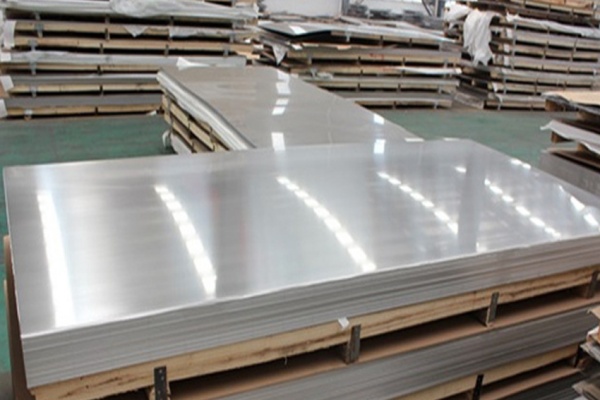
The distinctive properties of pure nickel sheets enable their use in a wide array of demanding applications. Their performance in extreme conditions makes them irreplaceable in several critical sectors.
In electronics, pure nickel sheets are crucial for battery components, particularly in electric vehicles and portable electronic devices. They serve as battery casings, current collectors, and interconnects due to their excellent electrical conductivity, corrosion resistance, and weldability. The material’s resistance to alkaline electrolytes prevents degradation and ensures long-term battery performance. Furthermore, pure nickel is used in vacuum tubes, lead wires, and electronic contacts where its low electrical resistivity and resistance to oxidation are beneficial. The demand for high-performance batteries drives the increasing use of pure nickel in this sector.
The chemical processing industry heavily relies on pure nickel sheets for equipment exposed to highly corrosive substances. This includes reactors, heat exchangers, evaporators, and piping systems. Its superior resistance to caustic alkalis, halogens, and various organic acids ensures operational integrity and prevents contamination of process streams. Nickel’s ability to maintain structural stability in these aggressive conditions minimizes downtime and extends equipment lifespan. This makes it a cost-effective choice despite its higher initial investment.
Pure nickel’s high melting point and resistance to oxidation at elevated temperatures make it suitable for aerospace applications and high-temperature furnaces. In aerospace, it is used for specialized components requiring strength and stability under thermal stress. For furnace applications, pure nickel provides reliable performance in heating elements, furnace linings, and heat shields. Its resistance to various furnace atmospheres, including reducing and oxidizing conditions, ensures longevity and consistent thermal performance.
Selecting the appropriate pure nickel sheet requires careful consideration of several factors. These include material specifications, compliance with industry standards, and the potential for customization.
When specifying pure nickel sheets, consider the required purity level (e.g., Ni200 or Ni201), which dictates carbon content and suitability for different temperatures. Ni200 is generally preferred for temperatures below 315°C, while Ni201 is better for higher temperatures due to its lower carbon content, which prevents graphitization and embrittlement. Dimensions, including thickness, width, and length, must align with fabrication and application requirements. Mechanical properties like tensile strength, yield strength, and elongation are also critical for structural integrity. Always consult material data sheets and application guidelines.
Quality assurance and adherence to international standards are paramount for nickel products. Standards such as ASTM B162 specify the requirements for plate, sheet, and strip of nickel. ISO 9001 certification indicates a supplier’s commitment to quality management systems. Compliance ensures material consistency, reliability, and safety in critical applications. We ensure all our pure nickel sheets meet or exceed these stringent requirements through rigorous testing and quality control procedures. This commitment guarantees that our customers receive materials of the highest integrity.
Many projects demand specific dimensions, finishes, or even unique mechanical properties that standard products cannot provide. We offer extensive customization options for pure nickel sheets. This includes custom cutting to precise lengths and widths, specialized surface finishes (e.g., polished, matte), and even tailored heat treatments to achieve specific mechanical characteristics. Our engineering team collaborates closely with clients to develop solutions that perfectly match their unique project specifications. This flexibility ensures optimal performance and efficiency for specialized applications.
The success of projects using pure nickel sheets often depends on the reliability and expertise of the material supplier. Choosing a partner with a proven track record and comprehensive capabilities is essential.
A supplier’s experience and technical expertise are critical for sourcing high-quality nickel materials. Experienced suppliers understand the nuances of different nickel grades, their manufacturing processes, and their suitability for various applications. They can provide valuable technical support, advise on material selection, and troubleshoot potential issues. This expertise minimizes risks and ensures that clients receive materials that perform as expected. A deep understanding of metallurgy and application engineering is invaluable.
Hubei Fotma Machinery Co., Ltd. maintains strict quality control throughout the production of our pure nickel sheets. We are an ISO-9000-1:2008 certified enterprise, reflecting our commitment to international quality standards. Our modern production equipment and advanced testing methods ensure that each sheet meets precise specifications for purity, dimensions, and mechanical properties. We conduct comprehensive inspections, including chemical analysis, mechanical testing, and non-destructive testing, to guarantee product integrity. Our core team’s material research level has more than 30 years of technical accumulation, ensuring exceptional product quality.
We aim to simplify the procurement of pure nickel sheets for our clients. Our dedicated sales and technical support teams provide seamless assistance from inquiry to delivery. We offer competitive pricing, efficient order processing, and reliable logistics to ensure timely delivery. Our ability to provide customized solutions further streamlines the process, eliminating the need for multiple vendors. Partnering with Fotma means gaining a reliable supplier and a knowledgeable technical resource.
For inquiries regarding pure nickel sheets or other non-ferrous metal materials, please contact Hubei Fotma Machinery Co., Ltd. Our expert team is ready to assist you with product selection, technical specifications, and custom orders. Reach us at +86 13995656368, +86 13907199894, or via email at bunny@fotma.com and export@fotma.com. We look forward to providing you with high-quality solutions.
Alex Chen is an after-sales engineer at Hubei Fotma Machinery Co., Ltd. He is dedicated to ensuring clients receive timely solutions and achieve optimal performance from their products. Passionate about problem-solving and continuous improvement, Alex provides expert insights and practical guidance to help customers maximize the value of their purchases.
Pure nickel, such as Ni200 or Ni201, consists almost entirely of nickel, typically over 99.5%. It offers excellent corrosion resistance, high electrical and thermal conductivity, and good ductility. Nickel alloys, conversely, combine nickel with other elements like chromium, iron, copper, or molybdenum to enhance specific properties such as strength, high-temperature resistance, or specialized corrosion resistance. The addition of these alloying elements significantly alters the material’s characteristics. If you are interested, check What Do Copper And Nickel Make.
Yes, pure nickel sheets exhibit excellent weldability and formability. They can be readily welded using common welding techniques such as TIG, MIG, and shielded metal arc welding, provided appropriate filler metals and procedures are followed. Their ductility allows for easy forming, bending, and deep drawing without significant work hardening, making them versatile for various fabrication processes. Proper annealing may be required between severe forming operations.
Lead times for custom pure nickel sheet orders vary depending on the complexity of the customization, the quantity required, and current production schedules. Standard sizes and grades typically have shorter lead times. However, specialized dimensions, unique finishes, or specific heat treatments may extend the delivery period. We recommend contacting our sales team directly with your specific requirements for an accurate lead time estimate.
Hubei Fotma Machinery Co., Ltd. ensures the purity of its nickel sheets through a multi-stage process. We source high-grade raw materials and employ advanced refining techniques, including vacuum melting, to minimize impurities. Our in-house laboratory conducts rigorous chemical analysis using techniques like X-ray fluorescence (XRF) and optical emission spectrometry (OES) for each batch. This meticulous testing guarantees that our pure nickel sheets consistently meet or exceed industry purity standards.
Pure nickel sheets are primarily utilized in industries requiring high corrosion resistance, excellent electrical and thermal conductivity, and good mechanical properties. Key sectors include chemical processing (for caustic solutions), electronics (for battery components and electrical contacts), aerospace (for high-temperature applications), and marine engineering. They are also used in food processing, pharmaceutical equipment, and coinage.