
As a non-ferrous materials engineer, I have a soft spot for metals that pull more than their weight, and titanium alloy bars have earned that trust on shop floors and test rigs alike. They combine high strength with low density, shrug off corrosion, hold up under heat, and play nicely with the human body, which is why they show up everywhere from aircraft and race engines to chemical plants and orthopedic implants. Below, I walk through what makes these alloys tick, how grades like Ti-6Al-4V fit into real projects, where they deliver the most value, and how careful manufacturing and quality control, the kind we run at Hubei Fotma Machinery Co., Ltd., determines whether a bar becomes a reliable component or a costly headache.
Titanium alloy bars sit at the intersection of smart alloying and a favorable atomic structure, which together unlock a set of properties many conventional metals cannot match. The headline advantage is the strength-to-weight ratio. You get steel-like structural integrity at nearly half the density, which is a big deal anywhere weight is money or performance, and often both.
They also resist corrosion in media that punish lesser materials, including seawater, chlorine, and a range of industrial chemicals. A passive oxide film forms on the surface and self-heals if disturbed, so the material keeps its protective skin even after scratches or wear. That means longer service life, fewer interventions, and less unplanned downtime. Add to that solid strength retention at elevated temperatures, where aluminum alloys tend to drop off, and you have a lightweight option that stays dependable when the heat is on.
Biocompatibility is another pillar. Titanium alloys are non-toxic and non-reactive in contact with tissues, which is why they are trusted in medical and dental implants. A low coefficient of thermal expansion and good fatigue resistance round out the durability picture, especially under cyclic loads and temperature swings. Net result, titanium alloy bars deliver a rare mix of lightness, strength, corrosion resistance, thermal stability, and biological compatibility.
When every gram matters, titanium’s strength-to-weight ratio solves problems that heavier metals create. In aerospace, shedding structural mass cuts fuel burn and unlocks payload or range, so a lighter airframe or engine assembly directly impacts mission flexibility and operating cost.
High-performance automotive and racing teams lean on titanium bars for components like connecting rods, valves, and exhaust parts. Less mass there improves acceleration and braking feel while keeping dynamic loads in check, and the material’s strength keeps those parts reliable under hostile temperatures and aggressive duty cycles.
Consumer products benefit too. Premium sports gear, for example golf clubs and bicycle frames, and luxury pieces such as watches, gain durability without the wrist or leg fatigue. By decoupling strength from weight, engineers can pursue designs that were once compromised by heavier alternatives.
In corrosive settings, titanium alloy bars are the safe bet. Their passive oxide barrier resists chlorides, acids, and oxidizers, which makes them dependable in chemical processing, marine hardware, and offshore systems. In a chemical plant, you reduce contamination risk and keep process integrity intact. In saltwater, titanium outlasts stainless steels that would otherwise suffer, especially over long exposures.
On the medical side, the body accepts titanium with minimal adverse response, and the alloys are non-magnetic and strong, a useful combination for implants and instruments. Orthopedic components such as hips, knees, and spinal devices, plus dental implants and cardiovascular devices, all draw on that biocompatibility and strength. The material’s inertness prevents leaching of harmful elements, so implants can perform over decades without compromising patient health.
Titanium alloys cluster into three families, each with a distinct personality. Alpha alloys, such as Ti-5Al-2.5Sn, weld well, hold strength at high temperature, and resist creep. They are not strengthened by heat treatment, so they rely on solid solution hardening, which suits airframe parts and cryogenic service where stability at extremes is non-negotiable.
Alpha-beta alloys, the workhorses of the group, balance strength, ductility, and fracture toughness. They are heat-treatable, so engineers can tune properties, and the two-phase structure responds well to thermomechanical processing that refines grains and boosts mechanical performance.
Beta alloys, like Ti-10V-2Fe-3Al, bring high strength, good hardenability, and strong cold formability. With the right heat treatment, they reach very high strength and hardness, and they resist corrosion nicely. You see them in fasteners and landing gear where strength and fatigue resistance are mandatory. Precise alloying choices set the final microstructure and properties for each grade.
Ti-6Al-4V, also known as Grade 5, is the household name in titanium. With 6% aluminum and 4% vanadium in an alpha-beta matrix, it nails a rare balance of strength, weight, and toughness. Aerospace designers use it for structural pieces, engine hardware, and fasteners because it carries high stresses without dragging mass into the bill of materials.
Its corrosion resistance plays well in marine and chemical processing environments, so components last longer when exposure is harsh. The alloy is also biocompatible, which is why it shows up in prosthetics, surgical tools, and dental devices that need to integrate with the body and stay stable long term.
From a manufacturing standpoint, Ti-6Al-4V is heat-treatable and can be formed and welded, although the processing window is tighter than for common steels due to its reactivity. That combination of mechanical performance, low density, corrosion resistance, biocompatibility, and workable processing is why Ti-6Al-4V remains a cornerstone material. If you’re interested, check What Is The Most Commonly Used Titanium Alloy
At Hubei Fotma Machinery Co., Ltd., quality starts before melting, with careful selection of titanium sponge and alloying additions that meet exact chemical composition targets. Consistent input chemistry is the first lever for predictable mechanical properties downstream.
We melt using advanced routes such as vacuum arc remelting (VAR) or electron beam melting (EBM) to achieve high homogeneity and drive down impurities. That produces clean ingots with uniform structure. Hot working steps, including forging and rolling, are run under tight control to refine grains and lock in mechanical performance. Our engineers keep a close eye on temperatures and deformation to protect metallurgical integrity.
Post-processing combines precision machining, heat treatment, and finishing to hit dimensions, tolerances, and surface quality. Each batch goes through thorough testing, including chemical analysis, mechanical property evaluation, specifically tensile strength, yield strength, elongation, and hardness, and non-destructive evaluations such as ultrasonic and dye penetrant inspections. We adhere strictly to international standards, including ISO-9000-1:2008, to maintain reliability and full traceability. That system is why delivered bars match specification and perform as intended.
Aerospace leans on titanium alloy bars because they trim mass without sacrificing strength. Lighter structures and engine parts reduce fuel burn, raise payload ceilings, and extend range. Parts like landing gear, wing spars, engine casings, and fasteners are frequent candidates.
Corrosion resistance protects against environmental damage, whether in marine air or at altitude. The alloys tolerate high and low temperatures, and their fatigue resistance supports components that live through countless flight cycles. That combination drives safety, longevity, and lower maintenance. The use of Titanium Alloy Products in aerospace engineering continues to expand as manufacturers seek to push performance boundaries.
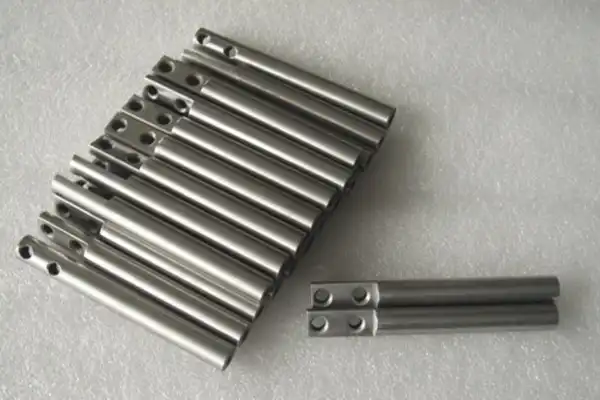
In healthcare, titanium’s biocompatibility and corrosion resistance are the foundation for long-lasting implants. Orthopedic systems, including hip and knee replacements, spinal fusion devices, and bone screws, leverage high strength without provoking adverse reactions.
Dental implants, such as posts and bridges, benefit from osseointegration, where titanium bonds directly with bone to create a stable base. Instruments made from these alloys are light, non-magnetic, and unfazed by repeated sterilization, which improves handling and reliability in the operating room. Because the material is inert, it does not leach metallic ions, reducing risks tied to allergies or toxicity and supporting decades of safe service.
Chemical processing plants rely on titanium’s passive film to stand up to strong acids, chlorides, and oxidizers in heat exchangers, reactors, tanks, and piping. With better resistance comes less downtime and fewer replacements, which keeps processes stable and costs in check.
In marine and offshore environments, titanium resists pitting, crevice corrosion, and stress corrosion cracking where chloride levels are high. That makes it a strong fit for submarine systems, offshore oil and gas equipment, desalination units, and marine hardware. The material’s durability preserves structural integrity over long exposure cycles.
In high-performance automotive engineering, titanium alloy bars help produce lighter connecting rods, valves, and exhaust systems. The payoff is sharper engine response and improved vehicle dynamics, with the temperature and stress capability to survive powertrain conditions.
Sports gear leverages the same pairing of lightness and strength. Golf club heads, bicycle frames, tennis rackets, and mountaineering equipment can be made lighter without giving up stiffness or durability, which athletes notice immediately.
Power generation applications, including geothermal and nuclear, use titanium for its corrosion resistance in aggressive steam and water. Condenser tubing and heat exchanger plates benefit from resistance to corrosion and erosion, sustaining efficiency over long service intervals. If you’re interested, check Titanium And Titanium Alloys Widespread Application And Future Challenges
Hubei Fotma Machinery Co., Ltd. brings over three decades of focused work in non-ferrous materials. Our team’s depth in alloy development and production means we understand how to select and process titanium for specific outcomes, and we keep investing in R&D to stay aligned with the latest metallurgy and manufacturing practices.
That background helps us solve complex material problems and tailor solutions to the application. Clients receive titanium alloy bars that hit tight specifications and deliver repeatable performance, backed by years of practical lessons learned.
Our operations align with ISO-9000-1:2008, so the quality management system is structured around consistent results and regulatory compliance. From incoming inspection through final shipment, each step is controlled and recorded.
Quality assurance includes rigorous testing and inspection. We verify chemistry, mechanical properties, and dimensional accuracy, and we apply non-destructive methods to confirm internal soundness. Maintaining ISO certification reflects our commitment to continuous improvement and dependable delivery, so clients can trust the material they receive.
We deliver more than bars off the shelf. With modern equipment and in-house testing, we support complex fabrication requirements and supply custom dimensions and finishes to fit your production flow.
Our technical staff works directly with your team on grade selection, design tradeoffs, and processing windows. The aim is straightforward, supply titanium alloy bars that meet specification and integrate smoothly into the intended application, with support from concept through finished parts.
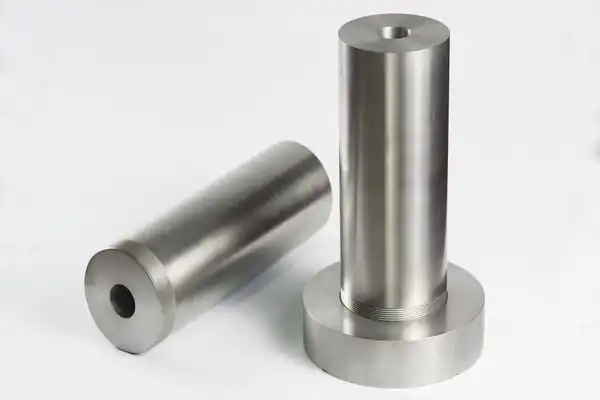
By pairing quality with deep technical expertise, Hubei Fotma Machinery Co., Ltd. competes effectively at home and abroad. We understand the performance demands and cost pressures in global supply chains, so we manage production and logistics for reliable lead times and strong pricing.
Service stays personal. We keep communication open, provide timely technical support, and focus on long-term partnerships. Whether you are sourcing standard bars or designing a custom solution, our team is set up to respond quickly and deliver consistently.
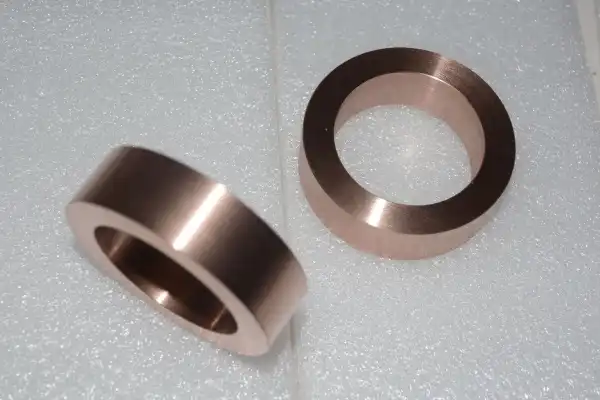
For high-performance titanium alloy bars that meet stringent industry standards and your specific application needs, trust Hubei Fotma Machinery Co., Ltd. Our decades of experience, commitment to quality, and comprehensive technical support ensure you receive the best materials and service. Contact us today to discuss your project requirements and discover how our titanium solutions can enhance your products and processes. Reach out to us at +86 13995656368, +86 13907199894, or via email at bunny@fotma.com, export@fotma.com.
Titanium alloy bars combine a high strength-to-weight ratio with outstanding corrosion resistance and excellent biocompatibility. That makes them a match for applications that demand lightness, durability, and resistance to harsh environments or long-term biological integration. They also hold strength at elevated temperatures and offer good fatigue resistance.
They are common in aerospace for structural and engine components, in medical for implants and instruments, in chemical processing for corrosion-resistant equipment, and in marine applications for saltwater exposure. You will also find them in high-performance automotive parts, sports equipment, and selected power generation components where their property set pays off.
We run a quality system aligned with ISO-9000-1:2008, starting with strict raw material control, advanced melting and processing routes, and step-by-step verification. Each batch goes through chemical analysis, mechanical tests, and non-destructive inspections to ensure reliability and traceability.
Yes. We offer multiple grades, dimensions, and finishes, and our technical team collaborates with clients to tailor selection and processing to the project’s requirements.
Lead time depends on grade, size, quantity, and customization. We plan production for timely delivery, and the quickest way to get a precise estimate is to share your specifications with our sales team.