
You know, when you’re dealing with industrial materials, it’s rare to find something that truly hits that sweet spot between looking good and actually performing under pressure. But satin nickel sheet metal? It’s kind of a standout in that regard. We’re seeing it pop up more and more in places where both aesthetics and tough-as-nails durability are non-negotiable. This stuff, with its unique finish and inherent properties, really does offer some serious advantages over a lot of the other common metals out there. Getting a handle on what it is, where it shines, and how to get your hands on it can make a world of difference for engineers and procurement folks trying to make smart choices for their projects.
First off, let’s clear something up: satin nickel isn’t some new element you missed in chemistry class. It’s actually a finish, a sort of fancy jacket, applied to other metals – usually steel, brass, or zinc – through a process called electroplating. The “satin” look? That comes from a super fine brushing or abrading of the surface either before or during the nickel plating. It gives it this subtle, matte sheen, not that blinding, mirror-like reflection you get from polished chrome. And honestly, this finish isn’t just for show; it genuinely boosts both how it looks and how well it works.
What’s the big deal with satin nickel, you ask? Well, it’s all about balance. You get the underlying strength and workability of the base metal, but then you layer on the superior surface qualities of nickel. That muted, non-shiny finish is fantastic for cutting down glare, which is a real plus in environments where you don’t want a lot of reflection bouncing around. This aesthetic quality makes it perfect for those visible parts in industrial designs where you want things to look sharp and professional. Plus, that plating process creates a hard, tough surface that resists wear and tear, which means whatever you’re building is going to last a good long while.
Nickel plating, by its very nature, is a champ at fighting off corrosion. It forms this brilliant protective shield against rust and chemical attacks. And even with that textured satin finish, it doesn’t lose an ounce of that protective power. This resistance is absolutely critical for parts that are going to be exposed to harsh industrial conditions, moisture, or even certain chemicals. Think about marine environments or chemical processing plants – satin nickel sheet metal can really stand up to those corrosive elements, keeping things structurally sound and reliably operational for years. Of course, a little regular upkeep never hurts to stretch that lifespan even further.
When we talk about the mechanical properties of satin nickel sheet metal, a lot of it comes down to the base material underneath. But don’t underestimate the nickel layer itself; it definitely adds to the surface hardness and how well it resists wear. Generally speaking, these sheets are pretty ductile, meaning you can bend ’em, stamp ’em, and form ’em into all sorts of shapes without messing up the finish. The key here is how well that nickel layer sticks to the base – good plating ensures it won’t flake or peel when things get a bit stressed. This mix of being easy to shape and having a tough surface makes it incredibly versatile for all sorts of intricate industrial designs.
Satin nickel sheet metal really carves out a niche for itself across various industrial scenes, and it’s all thanks to that sweet spot of looking good and performing like a beast. Its knack for delivering a sophisticated vibe while also bringing serious functional benefits makes it a go-to for a lot of manufacturers.
In the manufacturing world, you’ll often spot satin nickel sheet metal on control panels, enclosures, and decorative trims on machinery – basically, anywhere you want a clean, professional look that can also take a beating. It’s also a big hit in the electronics industry for casings and components that need both corrosion resistance and a surface that won’t reflect every stray light. The automotive folks use it for interior and exterior accents, giving things a premium feel without the sticker shock or constant polishing needed for chrome. And yes, even consumer goods get a boost from it, making products last longer and look sharper.
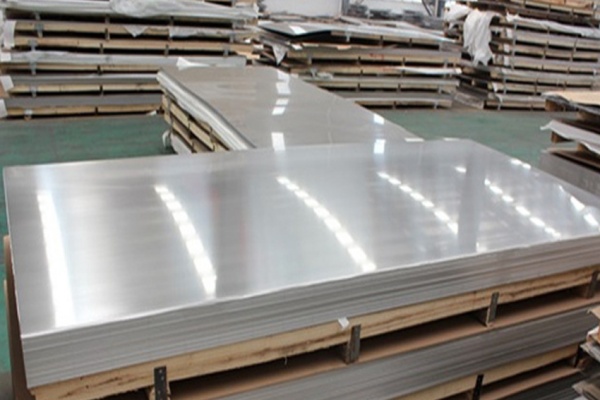
That subtle, matte gleam of satin nickel just screams modern and sophisticated. It really complements today’s product designs. The best part? Unlike those super shiny surfaces, satin nickel is a pro at hiding fingerprints and smudges, so things look cleaner for longer. That’s a huge win, especially for stuff that gets touched a lot. Designers often gravitate towards satin nickel because it just conveys quality and robustness, making products feel more substantial and thoughtfully engineered. And let’s be honest, how something looks can totally sway a customer and boost its market appeal.
For specialized industrial gear, satin nickel sheet metal isn’t just about looking pretty; it plays some seriously critical roles. Its corrosion resistance is absolutely vital for equipment chugging along in harsh atmospheres, like what you’d find in food processing, pharmaceutical manufacturing, or chemical handling. That durable surface also shrugs off scratches and abrasions, which is essential for parts that get handled a lot or are under constant mechanical stress. Think about lab equipment or medical devices – the fact that it’s easy to clean and stands up to sterilization agents just makes it even more indispensable. This material really offers a solid solution for those demanding operational environments.

When you’re looking to buy satin nickel sheet metal, you really need to put some thought into who you’re buying from and what kind of customization they can offer. It’s all about making sure the material you get is exactly right for your project. There are plenty of options out there, but quality and precision? Those are non-negotiable.
Picking a supplier for satin nickel sheet metal is a bit like choosing a good mechanic – you want someone with experience. So, definitely look for their track record with nickel plating and sheet metal fabrication. Ask about their quality control, any certifications they have (like ISO 9001), and if they can provide material test reports. A truly good supplier will consistently deliver quality, stick to the specs you give them, and be reliable with their delivery times. And honestly, good communication and technical support are huge, especially if you’ve got a complex or custom order. We always say, check their history and how they treat their customers. You might even find some golden nuggets in an article like: Beyond Price: The Ultimate Guide To Choosing Your Titanium Supplier.
Getting custom dimensions for satin nickel sheet metal usually involves some precision cutting – think shearing, laser cutting, or just plain cutting down larger stock sheets. As for the finish, you can either have the satin look applied after your parts are fabricated, or you can start with pre-finished sheets and then cut those to size. If you’re really particular about the look, you can even get variations in the brushing pattern or how matte the finish is. That’s all done through controlled mechanical or chemical processes. We actually work pretty closely with our clients to nail down these details, making sure the final product is a perfect match for their design and what they need it to do.
You’ll mostly find satin nickel sheet metal in flat sheets or coils. The thickness can vary quite a bit, from super thin gauges for purely decorative stuff to thicker plates for structural applications. The “grade” really comes down to what base metal is underneath. Common choices include different types of steel (like cold-rolled or stainless), brass, or zinc alloys. Your choice of base metal hinges on how much strength you need, how much corrosion resistance, and, of course, the budget. For example, if you need top-tier corrosion resistance, nickel alloy sheets are often the way to go.
| Feature | Satin Nickel Plated Steel | Satin Nickel Plated Brass | Satin Nickel Plated Zinc |
|---|---|---|---|
| Corrosion Resistance | Good | Excellent | Good |
| Strength | High | Moderate | Moderate |
| Formability | Good | Excellent | Very Good |
| Cost | Moderate | Higher | Lower |
| Typical Thickness | 0.5mm – 3mm | 0.3mm – 2mm | 0.4mm – 2.5mm |
| Applications | Industrial enclosures | Decorative hardware | Consumer electronics |
Here at Fotma, we’ve been around since 2004, and we’re ISO-9000-1:2008 certified, which basically means we know our stuff when it comes to a whole range of non-ferrous metal materials. Our years of experience and our advanced manufacturing capabilities really put us in a great position to be a reliable partner for industrial clients who are looking for top-notch metal solutions. Now, while “satin nickel sheet metal” isn’t something we explicitly list as a direct product, our deep expertise in nickel and other non-ferrous metals means we can definitely offer related services and even alternative solutions.
Our core team has over 30 years of technical know-how in material research – that’s a lot of accumulated knowledge! This deep dive into metallurgy and material science means we can really get to grips with all sorts of industrial requirements. We’re great at dissecting project specifications, recommending just the right materials, and even cooking up custom solutions that meet really tough performance standards. This expertise ensures our clients get the absolute best material choices, even for those super specialized applications. Our knowledge really runs deep, covering the intricate properties of all sorts of alloys. For instance, understanding the nuances of what copper and nickel make is just part of our foundational expertise.
Fotma really shines with a wide array of non-ferrous metals. We’re talking tungsten-molybdenum products, tungsten-molybdenum alloys, tungsten-copper alloys, cemented carbide, high-density alloys, titanium, and, of course, nickel. We offer these materials in all sorts of forms – sheets, plates, rods, and even custom-fabricated components. Our whole product lineup is designed to serve industries that need materials with exceptional properties, like super high-temperature resistance, amazing thermal conductivity, or specific strength-to-weight ratios. We’re also proud to be nickel plates suppliers and offer other nickel forms.
Fotma is equipped with modern production gear and some pretty advanced testing methods, which are absolutely essential for custom metal fabrication. We can take all sorts of non-ferrous metals and process them into precise dimensions and complex shapes, all according to what our clients design. Our capabilities cover cutting, forming, machining, and even surface treatments. If a satin nickel finish is what you’re after, we can certainly explore suitable base materials from our range and then team up with specialized finishing partners to deliver a complete solution. Ultimately, our goal is to provide comprehensive solutions for all your mechanical processing and manufacturing needs.
Look, choosing the right material and the right supplier is absolutely crucial if you want your industrial projects to succeed. Here at Fotma, we bring together a ton of material science expertise with some seriously advanced manufacturing capabilities to deliver top-quality non-ferrous metal solutions. Whether you’re in the market for specific alloys like titanium sheet titanium alloy plates or you need custom fabrication for some really specialized applications, our team is ready and eager to help. We’re genuinely committed to giving you competitive solutions and service that’s second to none.
Don’t hesitate to reach out today to chat about your project requirements and see how our expertise can really make a difference for your operations. You can give us a ring at +86 13995656368, +86 13907199894, or shoot us an email at bunny@fotma.com and export@fotma.com.
Alex Chen is an after-sales engineer at Hubei Fotma Machinery Co., Ltd. He’s the kind of guy who genuinely enjoys making sure clients get timely solutions and that their products are performing at their absolute best. Alex is passionate about solving problems and always looking for ways to improve things, offering expert insights and practical advice to help customers get the most value out of what they buy.
Satin nickel sheet metal is essentially a base metal, often steel or brass, that’s been given an electroplated layer of nickel and then finished with a brushed or matte look. The process involves thoroughly cleaning the base metal, zapping it with nickel through electroplating, and then mechanically brushing the surface to get that distinctive satin appearance.
Satin nickel brings a lot to the table: superior corrosion resistance, better durability against wear and scratches, and a sophisticated, non-reflective aesthetic. It’s also less prone to showing fingerprints and smudges compared to those shiny, polished finishes, making it perfect for high-traffic or visible industrial applications.
Yes, you can absolutely weld and fabricate satin nickel sheet metal, but you do need to be a bit careful to keep that finish intact. Welding methods like TIG or MIG can be used, often with specialized filler materials. As for fabrication processes like bending, stamping, and cutting, they’re generally pretty straightforward, as long as that nickel layer is well-adhered to the base metal.
At Fotma, we ensure product quality by strictly adhering to ISO-9000-1:2008 standards. We use modern production equipment and advanced testing methods, and our experienced team conducts thorough inspections and material analyses. This all guarantees that every single non-ferrous metal product we offer meets precise specifications and performance requirements.
Lead times for custom metal sheet orders can vary quite a bit depending on things like material availability, how complex the fabrication is, and the sheer volume of the order. We really try to be efficient and transparent, so we’ll give you estimated timelines as soon as your order is confirmed. For specific inquiries, just get in touch with our sales team directly, and they can give you a precise assessment.