
You know, it’s funny how often we get asked about satin nickel sheets. It seems like everyone’s curious about what makes them tick – their look, how they’re made, and where they really shine. And honestly, it makes sense. These sheets offer such a cool blend of looking good and working well, making them a go-to in so many different fields. So, I figured, why not put together a little something to clear things up? This way, folks like engineers, designers, and even the procurement specialists who are always on the hunt for solid materials can get a real handle on what satin nickel is all about.
When we talk about a “satin nickel finish,” what we’re really getting at is that lovely, soft, somewhat muted shine it has. It’s definitely not the in-your-face glint of polished nickel, nor does it have those distinct lines you see on brushed nickel. Think of it as a semi-gloss, a look that comes from a very specific plating process that actually creates a super-fine texture on the surface. This texture is key because it scatters light instead of just bouncing it back directly, which is brilliant for hiding fingerprints, smudges, and even those tiny little imperfections that would scream for attention on a shinier surface. It’s this visual trick that makes it so popular for places where you want both elegance and practicality. And underneath it all, you’re usually looking at a nickel coating applied to something like steel or brass, giving it all those signature qualities.
It’s a common misconception, but satin nickel sheets aren’t actually solid nickel. Nope, usually, you’re looking at a base metal – often steel or brass – that’s been electroplated with a layer of nickel, and then put through a special finishing process. The electroplating bit is pretty cool: you dunk the base metal into a solution of nickel salts, run an electric current through it, and boom, a uniform layer of nickel gets deposited. Now, to get that signature satin effect, manufacturers get a bit clever. They introduce tiny particles (could be organic stuff or little solid bits) into the plating bath. These particles then get mixed in with the nickel as it’s deposited, creating that distinctive matte texture. Another way to do it is by mechanical brushing or abrasive blasting after the plating, but honestly, that co-deposition method often gives you a more consistent and tougher finish. The thickness of that nickel layer, along with the size and type of those little co-deposited particles, are super important; they really dictate how the final product looks and performs.
Satin nickel finishes inherit a lot of the good stuff from nickel itself, but the surface treatment just kicks it up a notch. Physically, they’re pretty hard, which means they stand up well to wear and tear. Plus, because the surface diffuses light, those minor scratches that would jump out on a super-shiny finish just kind of blend in. Chemically, nickel is a champ when it comes to resisting corrosion, especially in regular air and freshwater environments. This protective quality is a big deal for making components last longer. Of course, the exact properties can shift a bit depending on the specific nickel alloy used and how it’s plated. For example, some nickel alloys are stronger or handle heat better. Here at FOTMA, we dabble in all sorts of nickel alloys, and our know-how ensures you get precisely the right material for whatever you’re building. If you’re really into the nitty-gritty of base nickel materials, you might find this article on Ni200 Nickel Plate Performance, Application, and Processing Technology pretty informative.
Satin nickel sheets, with their balanced properties and elegant versatility, really get around. You’ll find them in tons of different sectors, equally at home in roles that are purely functional or purely decorative.
In the world of architecture and interior design, satin nickel sheets are total rockstars because of their sophisticated look. They pop up everywhere – decorative panels, trim, and fixtures in both commercial buildings and people’s homes. And since they’re so good at shrugging off fingerprints and smudges, they’re perfect for high-traffic spots like door handles, light fixtures, and cabinet pulls. Designers often gravitate towards satin nickel because it just works with so many different styles, from super modern to classic traditional, giving off this warm yet contemporary vibe. Plus, its durability means these elements will keep looking great for ages, even with constant use.
But it’s not all about looks! Satin nickel sheets bring some serious functional muscle to industrial and manufacturing settings. Their corrosion resistance makes them a smart choice for parts that might get a bit damp or come into contact with mild chemicals. You’ll see them in all sorts of industrial gear – control panels, enclosures, and machine parts – where you need something tough, easy to clean, and still pleasant to look at. The finish can even cut down on glare, which is a real bonus in places where bright reflections could be a distraction or even a hazard. This combo of protection and good looks really extends the life and boosts the usability of industrial components.
Even in electronics and specialized equipment, satin nickel offers both protection and a professional sheen. It’s often used for casings, bezels, and even internal shielding in electronic gadgets. That nickel layer can actually help with electromagnetic interference (EMI) shielding, keeping sensitive internal components safe. Its toughness and resistance to wear are also a huge plus for equipment that’s handled or operated frequently. And for those really specialized applications, like medical devices or lab instruments, that clean, non-reflective surface of satin nickel is often the preferred choice.
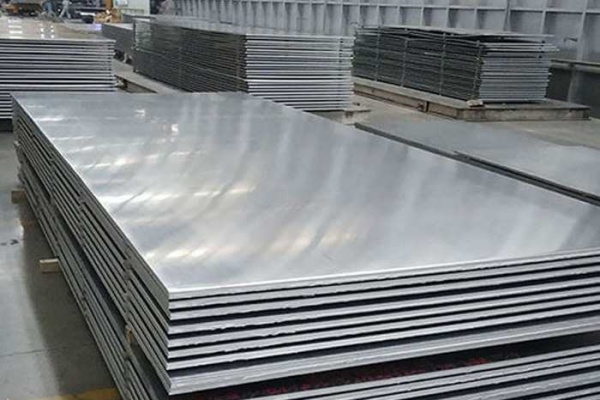
Picking satin nickel sheets comes with a bunch of clear advantages, which is precisely why they’re so popular across so many industries. It’s a win-win, really, covering both how things look and how well they work.
The biggest draw of satin nickel, for me, is definitely its unique aesthetic. It just has this soft, warm, and sophisticated vibe that can instantly make a product or a room feel more high-end. And unlike those super-shiny polished finishes, satin nickel isn’t constantly screaming for attention because of every little fingerprint or smudge. That means less cleaning, which is always a plus in my book! The subtle texture also adds a nice tactile quality, making the whole experience feel a bit richer. All this visual appeal really helps products stand out and gives designers a lot more wiggle room.
Beyond the looks, satin nickel finishes are fantastic at fending off corrosion. That nickel layer acts like a shield, stopping the underlying base metal from oxidizing and breaking down. This resistance is super valuable, especially in places where humidity goes up and down, or where there might be mild corrosive agents lurking about. Plus, nickel itself is a pretty hard metal, which adds to the finish’s ability to resist wear. What that means in plain English is that parts with a satin nickel coating can handle regular touching and minor scrapes without looking rough, ensuring they last and keep doing their job.
When you put that corrosion resistance and wear resistance together, you get serious durability and longevity from satin nickel sheets. They hold up really well in all sorts of indoor settings and even in moderately demanding outdoor conditions. This makes them a smart, cost-effective choice in the long run, because you won’t be replacing or refinishing things as often. The tough nature of the finish ensures that products keep their good looks and functionality for a long time, which, let’s be honest, is a huge factor for most industrial and consumer applications.
To really make a smart choice, it’s super helpful to see how satin nickel stacks up against other common metal finishes. Each one has its own personality, its own set of strengths and weaknesses.
So, you’ve got satin nickel, polished nickel, and brushed nickel – they’re all nickel finishes, yes, but they’re like siblings with totally different personalities when it comes to how they look and feel. Polished nickel is the flashy one, with a mirror-like, super-reflective surface that screams classic luxury. But, oh boy, does it show every fingerprint, water spot, and tiny scratch! Then there’s brushed nickel, which has these cool, fine, parallel lines from being mechanically abraded, giving it a matte, directional texture. It’s awesome at hiding imperfections and is often chosen for its modern vibe. Satin nickel, though, kind of sits right in the middle. It has that soft, diffused sheen without any obvious brush marks, offering a more subtle and elegant look while still being pretty forgiving when it comes to minor blemishes.
Now, let’s throw chrome and stainless steel into the mix. Chrome plating (which often goes over nickel, by the way) gives you a super hard, bright, and incredibly corrosion-resistant surface. It’s tough as nails and a breeze to clean, which is why you see it everywhere in kitchens and bathrooms. But, chrome can look a bit cooler in tone than nickel and might show water spots more readily. Stainless steel, on the other hand, isn’t a coating at all; it’s an alloy through and through. It’s inherently corrosion-resistant throughout its entire thickness and comes in various finishes, like brushed and polished. Stainless steel is generally more robust for structural stuff and can take deeper scratches better than plated finishes. Satin nickel, while great for corrosion resistance and aesthetics, might not hit the extreme hardness of chrome or the inherent structural integrity of solid stainless steel in those really tough, demanding scenarios.
| Feature | Satin Nickel | Polished Nickel | Brushed Nickel | Chrome Plating | Stainless Steel |
|---|---|---|---|---|---|
| Appearance | Soft, muted luster, semi-gloss | Mirror-like, highly reflective | Matte, directional lines | Bright, bluish-silver, highly reflective | Varies (brushed, polished, matte), inherent |
| Fingerprint/Smudge Visibility | Low | High | Low | Moderate | Low to Moderate (depending on finish) |
| Corrosion Resistance | Good | Good | Good | Excellent | Excellent (inherent) |
| Wear Resistance | Good | Moderate (shows scratches easily) | Good | Excellent | Good (inherent) |
| Maintenance | Low | High | Low | Low | Low |
| Typical Applications | Decorative hardware, lighting, fixtures | Luxury fixtures, traditional decor | Modern fixtures, appliances | Automotive, plumbing fixtures, tools | Appliances, structural, medical, industrial |
Choosing the absolute best finish really boils down to finding that sweet spot between what you want it to look like, what kind of environment it’ll be in, and, let’s be honest, how much you’re willing to spend. If you’re after a warm, inviting, and easy-to-care-for decorative finish, satin nickel is a fantastic pick. But if you’re dreaming of a high-gloss, classic look and don’t mind a bit of extra cleaning, polished nickel might be your go-to. For something modern, textured, and great at hiding flaws, brushed nickel is the way to go. When extreme hardness, sheer durability, and super easy cleaning are non-negotiables, chrome plating often wins the day. And for structural components or anything that needs inherent corrosion resistance all the way through, stainless steel is simply superior. My advice? Really dig into the specific needs of your project to make an informed decision.
Here at FOTMA, we really lean into our deep experience and advanced capabilities in non-ferrous metals to support a whole spectrum of industrial needs. And while we’re primarily focused on the core materials, our understanding of nickel and its alloys directly influences the quality and performance of subsequent finishes, like that lovely satin nickel.
FOTMA kicked off back in 2004, and since then, we’ve been operating as an ISO-9000-1:2008 certified enterprise. That certification isn’t just a fancy piece of paper; it really highlights our unwavering dedication to quality management and constantly getting better in every single step of our production. We stick to super strict international standards, making sure our nickel and other non-ferrous metal products hit the highest marks for purity, consistency, and performance. This commitment to quality lays a rock-solid foundation for any surface treatments or applications that come after.
Nestled in Wuhan, China, we’ve got some seriously modern production equipment and advanced testing methods at our fingertips. These facilities let us churn out a diverse range of non-ferrous metal materials, including all sorts of nickel alloys. Our main goal is to deliver materials with spot-on specifications, ensuring they’re perfectly suited for even the most demanding applications. Our capabilities even extend to producing materials that make excellent foundations for finishes like satin nickel, guaranteeing optimal adhesion and durability for the final product. Oh, and did I mention we’re also nickel plates suppliers?
Our core team? They’re practically legends, with over 30 years of technical know-how in material research. This deep well of expertise means we can offer comprehensive solutions for mechanical processing and manufacturing, as well as those intricate precision instrument accessories. We’re always knee-deep in material research and development, making sure we stay right at the cutting edge of metallurgical advancements. This technical leadership isn’t just for show; it translates into superior products and incredibly informed guidance for our clients, really making us a competitive force both here at home and abroad.
We totally get how crucial it is to pick the right materials for your projects. That’s why our team of experts is always ready to jump in and help you out with detailed info, technical specs, and even custom solutions for all your nickel and other non-ferrous metal needs. Don’t hesitate to reach out today to chat about what you’re looking for and see how FOTMA can become your go-to partner.
You can hit us up at +86 13995656368 or +86 13907199894, or shoot us an email at bunny@fotma.com or export@fotma.com.
Alex Chen is a Senior SEO Content Strategist at Hubei Fotma Machinery Co., Ltd. He’s all about making sure clients get timely solutions and squeeze every bit of optimal performance out of their products. Alex is super passionate about problem-solving and always pushing for continuous improvement, offering expert insights and practical advice to help customers truly maximize the value of their purchases.
The main difference, really, comes down to how they look and how they play with light. Satin nickel has this smoother, more even matte appearance, which it gets from that co-deposition process during plating, giving it a soft, diffused glow. Brushed nickel, on the other hand, has those distinct, fine, parallel lines created by mechanical brushing, making it look more textured and directional. Both are great at hiding fingerprints, but their aesthetic vibes are definitely unique.
Satin nickel sheets do have good corrosion resistance, so yes, they can work for some outdoor applications, especially in milder environments. But if you’re talking about really harsh outdoor conditions – like heavy salt spray, extreme weather, or industrial pollution – you might find that tougher finishes like chrome or specialized stainless steel alloys offer better long-term performance and durability. It’s always a good idea to really consider the specific environmental factors you’re dealing with.
Generally speaking, the cost of satin nickel sheets tends to sit in the middle of the pack compared to other common finishes. It’s usually a bit pricier than standard polished chrome because of the specialized plating process, but often less expensive than solid stainless steel, especially when you’re talking about complex shapes. The overall cost really hinges on the base metal, how thick the plating is, and how complicated the manufacturing process gets.
Good news here: satin nickel surfaces are pretty low maintenance. Usually, just a quick wipe down with a soft cloth and some mild soap and water is all it takes to keep them looking sharp. Just make sure to steer clear of abrasive cleaners, harsh chemicals, or scouring pads, as those can definitely damage the finish and mess with its signature luster. Every now and then, a non-abrasive metal polish specifically for nickel can help bring back its sheen.
While nickel itself is generally considered safe, whether satin nickel sheets are suitable for food contact really depends on specific regulations and the exact makeup of the plating and any topcoats. Typically, for direct food contact, materials like certain grades of stainless steel are preferred because they’re inherently inert and super easy to sanitize. So, always, always double-check compliance with relevant food safety standards before even thinking about using satin nickel in those kinds of applications.