
Sheet nickel has a way of showing up wherever reliability matters—I’ve seen it quietly outperform in places where downtime simply isn’t an option. Below, I walk through what it is and why it’s so widely used, the key properties and grades that dictate performance, where it shines in real-world applications, how it’s made and certified, and what to consider when sourcing—from specifications and customization to supplier expertise and lead times. If you’re aiming for the right balance of corrosion resistance, strength, conductivity, and fabrication ease, this will help you zero in on the exact sheet nickel that fits your project.
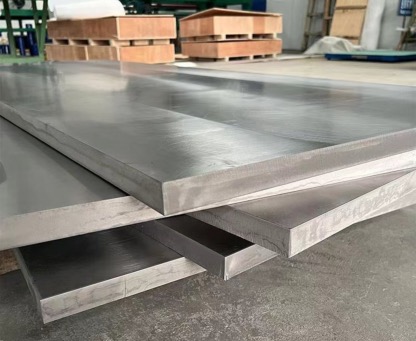
Sheet nickel is nickel metal rolled into a flat, thin form. Visually, it’s silvery-white with a high luster, but its appeal goes far beyond looks. It delivers excellent corrosion resistance, reliable electrical and thermal conductivity, and retains strength at elevated temperatures. Those traits make it a go-to choice for demanding industrial environments.
Nickel stands out for its resilience in corrosive conditions—acids, alkalis, and saltwater included—making it a natural fit for harsh chemical processing. It also offers good ductility and toughness, so complex shapes are feasible without sacrificing durability. Add in its ferromagnetic behavior and catalytic activity, and you get a material that’s useful in a range of specialized roles.
Purity plays a pivotal role in performance. Higher-purity nickel generally improves corrosion resistance, electrical conductivity, and ductility. For example, 99.9% purity is often specified in electronics when maximum conductivity is needed. Lower-purity grades—typically alloyed—can trade a bit of conductivity for increased strength or targeted thermal properties. Choosing the right purity is essential for meeting operational goals.
If you are interested in how different compositions affect performance, you might find What Do Copper And Nickel Make insightful.
Sheet nickel offers a balanced mechanical profile. Its moderate tensile strength can be boosted via alloying and cold work, while excellent ductility allows forming, bending, and drawing without cracking. Hardness depends on purity and processing, but nickel typically resists wear and abrasion well—useful for components that need to last.
Corrosion resistance is nickel’s calling card. A passive oxide film shields it from attack in many aggressive media. It holds up in both reducing and oxidizing environments, though performance depends on the corrosive agent’s concentration and temperature. At high temperatures, nickel also resists oxidation and scaling, helping it maintain structural integrity.
While not as conductive as copper or silver, nickel provides dependable thermal and electrical performance. Its electrical conductivity is roughly 24% of copper’s—adequate for specific contacts and battery components. Thermally, it conducts heat efficiently, making it useful for heat transfer and dissipation in electronics and heat exchange systems.
Several sheet nickel grades target different needs:
* Nickel 200 (UNS N02200): Commercially pure (99.6% minimum), with excellent corrosion resistance, solid mechanical properties, and high thermal/electrical conductivity. Highly ductile; well-suited for caustic alkalis and food processing equipment.
* Nickel 201 (UNS N02201): A low-carbon variant of Nickel 200 designed to avoid carbon embrittlement above 315°C (600°F). Preferred for higher-temperature service.
* Nickel 205 (UNS N02205): Slight titanium and magnesium additions improve strength and weldability; commonly used in electronic and vacuum tube components.
* Nickel Alloys: Nickel-based alloys expand capabilities. Inconel alloys deliver exceptional high-temperature strength and oxidation resistance; Monel excels in seawater and various acids; Hastelloy stands out in highly corrosive chemical environments.
Understanding these specific attributes helps in selecting the optimal nickel grade for demanding industrial requirements.
Chemical processors rely on sheet nickel for components that must survive aggressive media—reactors, heat exchangers, piping, and storage tanks among them. Nickel’s durability in acids, alkalis, and other corrosives helps extend equipment life and cut maintenance downtime.
In electronics, sheet nickel shows up in battery casings, electrical contacts, and lead wires thanks to its conductivity and corrosion resistance. It’s also used for electromagnetic shielding to protect sensitive circuits. Tight control of purity ensures consistent performance where reliability is critical.
We also supply nickel alloy sheet.
Aerospace applications lean on sheet nickel and nickel-based superalloys for high-temperature strength and oxidation resistance. Turbine blades, combustion chambers, and exhaust systems in jet engines are prime examples—materials must resist creep and retain mechanical integrity under extreme heat and stress.
Beyond the big sectors, nickel sheets appear in coinage for durability and appearance, desalination and marine equipment for saltwater resistance, and food processing where resistance to food acids matters. It’s also a smart choice for specialized tooling and lab gear.
If you are working with other high-performance metals, you might be interested in Unveiling Porous Titanium Sheets Properties Applications And Supplier Insights.
Production starts with refining nickel ore to the required purity, followed by melting and casting into ingots. Hot and cold rolling sequences reduce thickness to final dimensions, with intermittent annealing to restore ductility and relieve internal stresses. The result: sheets that meet specified mechanical properties.
Quality is anchored in standards like ASTM, ASME, and ISO. Typical checks include chemical analysis for composition, mechanical tests for tensile strength, yield strength, and elongation, and non-destructive methods (ultrasonic or eddy current) to detect internal flaws. Third-party certification confirms compliance and performance. We prioritize these standards to deliver reliable products.
From ultra-thin foils to thick plates, sheet nickel can be tailored to the job. Standard and custom sizes are available. Surface finishes range from mill finish to polished, chosen for appearance, corrosion behavior, or surface roughness needs (e.g., better bonding). These options help fit the material seamlessly into your design.
Protect the surface and structure to get the best results. Store sheets clean and dry to prevent contamination or corrosion. Use appropriate tooling and techniques to limit work hardening and avoid cracking. Welding calls for suitable filler metals and qualified procedures to preserve corrosion resistance and mechanical properties. Good practices minimize waste and ensure consistent performance.
Start with reputation for quality and reliability. Confirm the supplier can meet your specs—purity, grade, dimensions—and evaluate their responsiveness and technical support. Finally, check certifications and standards compliance for consistent, auditable quality.
Experienced suppliers can make a measurable difference, from advising on grade selection for tough environments to sharing fabrication tips that prevent rework. When issues arise during design or production, responsive technical support saves time and budget. We take pride in providing both deep materials knowledge and fast, practical assistance.
Lead time depends on material availability, customization, and order size. Pricing reflects market dynamics, purity, and processing complexity. Global sourcing can broaden options and sharpen costs, but it demands careful attention to logistics and quality oversight.
Partnering with reputable manufacturers, like Hubei Fotma Machinery Co., Ltd., ensures access to high-quality Nickel Alloy Plate Nickel Alloy Sheet and a consistent supply chain. Established producers bring the right capacity, quality systems, and technical know-how to meet stringent industrial requirements. We are an ISO-9000-1:2008 certified enterprise with over 30 years of technical accumulation in material research. For more information on sourcing and pricing, you can read How Much Does Cuni3 Copper Nickel Alloy Plate Cost Per Kilogram or How Much Does B30 Copper Nickel Pipe Cost Per Kilogram.
Ready to discuss your specific sheet nickel requirements or need a customized quote? Our team of experts is here to provide tailored solutions and support. Contact us today to learn how our high-quality nickel products can benefit your next project.
Email: bunny@fotma.com, export@fotma.com
Phone: +86 13995656368, +86 13907199894
Alex Chen is dedicated to helping clients get timely solutions and optimal performance from their products. Passionate about problem-solving and continuous improvement, Alex shares practical insights so customers can maximize the value of their purchases.
Sheet nickel delivers exceptional corrosion resistance—especially in harsh chemical environments—alongside good mechanical strength and ductility. It also stays stable at high temperatures, making it ideal where durability and reliability are non-negotiable.
Higher-purity nickel typically provides better corrosion resistance and electrical conductivity. Lower-purity grades (often alloyed) can be tuned for greater strength or specific thermal behavior. Selecting the right purity aligns the material with the intended operating environment.
Options range from thin foils to thicker plates. Standard sizes are widely available, and many manufacturers provide custom dimensions. Surface finishes span mill finish to polished, depending on functional and aesthetic needs.
Yes. It’s generally ductile and forms readily—bending and drawing are straightforward with proper technique. Welding is also feasible with the correct filler metals and procedures to protect corrosion resistance and mechanical properties. Managing work hardening is key to sound results.
Common users include chemical processing (corrosion-resistant equipment), electronics (battery components and electrical contacts), and aerospace (high-temperature applications). You’ll also find it in marine, food processing, and specialized tooling sectors.