
When materials decisions get tight and timelines are tighter, I’ve seen silver copper nickel alloys quietly rescue projects that needed both clean conductivity and real-world toughness. They deliver a rare balance—electrical and thermal performance from silver and copper, mechanical strength and corrosion resistance from nickel—without forcing ugly trade-offs. Below, we walk through what makes these alloys tick, where they excel (from electronics to aerospace), how we manufacture and customize them, and how they compare with tungsten copper and molybdenum copper solutions so you can choose with confidence.
Silver copper nickel alloys form a focused family of engineered materials that deliberately blend the strengths of their constituent metals. They’re not simple mixes; their microstructures are tuned by composition and processing to achieve targeted performance. Silver contributes outstanding electrical and thermal conductivity, copper brings ductility and additional conductivity, and nickel elevates strength and corrosion resistance—together creating a versatile, well-rounded material.
Silver copper nickel alloys are ternary systems built around silver (Ag), copper (Cu), and nickel (Ni). Property outcomes track closely with the exact percentages. Silver drives the high electrical and thermal conductivity; copper improves ductility and supports conductivity; nickel—even in modest amounts—significantly lifts mechanical strength, hardness, and corrosion resistance. Compositions are tailored to match application needs: push silver higher for best-in-class conductivity, or increase nickel to build wear resistance and strength. Grasping these compositional levers is essential to choosing the right grade.
These alloys stand out for their strength and hardness relative to pure silver or copper, thanks to solid solution strengthening from nickel within the Ag–Cu matrix and, in many cases, precipitation hardening. They retain good ductility and workability, supporting common manufacturing routes. Performance remains stable over wide temperature ranges, which is especially helpful in thermal cycling or elevated-temperature environments. Density typically sits between that of pure copper and pure silver, depending on formulation.
One of the core wins here is conductivity. Silver leads all metals in electrical and thermal conductivity, and that advantage carries through; copper further supports this. While nickel tends to damp conductivity, its content is carefully controlled so mechanical gains don’t unduly compromise electrical or thermal performance. The result is a material that moves current efficiently and sheds heat well—crucial for high-power and high-frequency designs—mitigating overheating and helping electronics last longer.
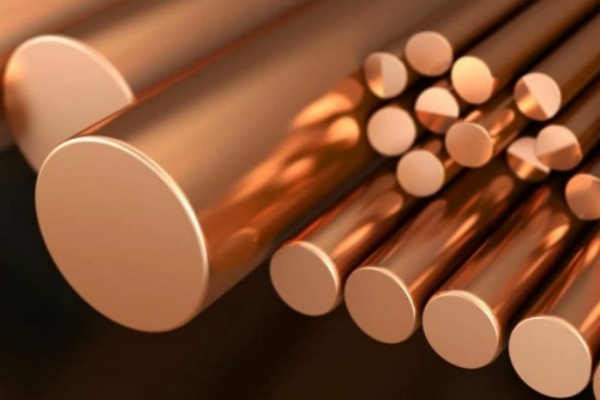
For further insights into related materials, consider reading What Do Copper And Nickel Make.
Because they combine conductivity, thermal performance, and mechanical strength, silver copper nickel alloys solve multiple design constraints at once across high-tech sectors.
In advanced electronics, reliability is everything. These alloys minimize signal losses and enable efficient power transfer in connectors, switches, and IC lead frames. Nickel’s contribution to hardness and strength improves durability under repeated insertions, vibrations, or mechanical stress. Their heat dissipation helps sensitive electronics stay within optimal temperature windows—particularly valuable in compact designs where dedicated cooling space is scarce.
Electrical contacts benefit from low contact resistance and resistance to arc erosion—both areas where these alloys perform well. Silver keeps conductivity high to reduce voltage drop, while nickel increases wear resistance for frequent switching. Together, they reduce contact welding and material transfer, common failure modes in high-current or high-frequency environments. The outcome: longer service life for relays, breakers, and other switching hardware, often measured in millions of cycles.
Aerospace and defense components must deliver under punishing conditions. With a strong strength-to-weight profile and excellent electrical/thermal properties, silver copper nickel alloys suit avionics connectors, shielding for sensitive electronics, and guidance system components. Nickel’s corrosion resistance pays dividends in harsh environments, protecting parts against degradation and safeguarding long-term performance.
Hitting the right property balance requires precise control over chemistry and processing—something we prioritize throughout development and production.
Powder metallurgy is frequently used when microstructure and composition need tight control. It blends Ag, Cu, and Ni powders, then compacts and sinters them to achieve near-net shapes and tunable properties. Conventional melting and casting are also common, followed by rolling, drawing, or extrusion as needed. The choice hinges on part geometry, property targets, and cost. Each method confers different benefits in homogeneity, grain structure, and mechanical outcomes.
Customization is where these alloys shine. Adjust silver upward for maximum electrical conductivity; raise nickel to boost strength and wear resistance. We collaborate closely with customers to align on metrics like conductivity, hardness, tensile strength, and operating temperature. That back-and-forth ensures the final composition maps cleanly to the component’s functional requirements—critical when performance margins are tight.
Quality checkpoints are embedded from incoming materials to finished product. We verify chemistry, run mechanical tests for strength and hardness, and measure electrical/thermal conductivity to specification. Where applicable, we certify to industry standards so you have documented assurance of performance. This rigor ensures each batch behaves predictably in service—non-negotiable for critical applications.
Choosing the right material means understanding the trade space. Silver copper nickel alloys bring a distinct mix of benefits; comparing them to alternatives helps clarify where they fit best.
When comparing silver copper nickel alloys with Wcu Tungsten Copper Alloy, the differences are clear. W-Cu excels where arc erosion resistance, density, and thermal conductivity are paramount—think EDM electrodes and resistance welding. Silver copper nickel alloys, by contrast, generally deliver higher electrical conductivity and often better machinability thanks to the ductility of Ag and Cu, with nickel adding corrosion resistance relative to some W-Cu grades. Put simply: choose W-Cu for extreme arc resistance and density, or Ag–Cu–Ni for a balanced package of conductivity, strength, and machinability. We offer a range of Customized Copper Tungsten Products to meet diverse needs.
If you are interested in learning more about tungsten copper alloys, we recommend reading What Is Tungsten Copper Used For.
Molybdenum Copper Alloy Mocu Heat Sink provides excellent thermal conductivity and carefully tuned CTE, ideal for heat sinks and electronic packaging where CTE match to semiconductors matters most. Silver copper nickel alloys also conduct heat well, but don’t provide the same precision CTE control as MoCu. They typically offer higher electrical conductivity and greater ductility, which can simplify fabrication of complex parts. MoCu is often produced via powder metallurgy for microstructural control. If CTE matching and high-temperature thermal performance are top priorities, MoCu is compelling; if you need high electrical conductivity, solid mechanical performance, and good formability, Ag–Cu–Ni may be the better fit. You might find Analysis Of The Outstanding Performance Of Molybdenum Copper Alloy And Cmc Three Layer Structure Materials insightful.
The decision to utilize silver copper nickel alloys hinges on several factors. These alloys are particularly advantageous when your application demands a combination of:
1. High Electrical Conductivity: Essential for efficient signal and power transmission.
2. Good Thermal Conductivity: Crucial for effective heat dissipation in electronic devices.
3. Enhanced Mechanical Strength and Hardness: Providing durability and wear resistance beyond pure copper or silver.
4. Corrosion Resistance: Important for components exposed to aggressive environments.
5. Machinability and Formability: Allowing for complex component geometries.
Consider these alloys for electrical contacts, connectors, and specialized electronic components where a robust, conductive, and durable material is required. If your project prioritizes extreme thermal expansion control or ultra-high-temperature strength, other materials like MoCu or tungsten alloys might be more suitable. We can assist in evaluating your specific needs to determine the best material solution.
| Property/Alloy Type | Silver Copper Nickel Alloy | Tungsten Copper Alloy | Molybdenum Copper Composite |
|---|---|---|---|
| Electrical Conductivity | Excellent | Good | Good (tailored) |
| Thermal Conductivity | Excellent | Excellent | Excellent |
| Mechanical Strength | High | Very High | High |
| Hardness | High | Very High | High |
| Arc Erosion Resistance | Good | Excellent | Good |
| CTE Matching | Moderate | Moderate | Excellent (tailored) |
| Corrosion Resistance | Good | Moderate | Good |
| Typical Applications | Electrical contacts, connectors, electronic components | EDM electrodes, resistance welding, heat sinks | Electronic packaging, heat sinks, substrates |
At FOTMA, we specialize in providing high-performance non-ferrous metal materials, including custom alloys designed to meet the most stringent specifications. With over 30 years of technical accumulation in material research, our core team possesses the expertise to deliver complete solutions for mechanical processing and manufacturing, as well as precision instrument accessories. We are an ISO-9000-1:2008 certified enterprise, ensuring the highest standards of quality and reliability.
Whether you require standard materials or a custom-engineered silver copper nickel alloy, our team is ready to assist. Contact us today to discuss your project requirements and discover how our advanced materials can enhance your product’s performance and longevity.
Phone: +86 13995656368, +86 13907199894
Email: bunny@fotma.com, export@fotma.com
Alex Chen is dedicated to ensuring clients receive timely solutions and achieve optimal performance from their products. Passionate about problem-solving and continuous improvement, Alex provides expert insights and practical guidance to help customers maximize the value of their purchases.
Silver copper nickel alloys combine high electrical and thermal conductivity with strong mechanical strength, hardness, and good corrosion resistance. That blend makes them a strong choice for reliability-critical applications, notably advanced electronics and electrical contacts.
Property profiles map directly to composition. More silver typically increases conductivity, while higher nickel content raises strength, hardness, and corrosion resistance. By tuning these ratios, manufacturers can target precise performance requirements for a given application.
They’re widely used in electronics, telecommunications, automotive, and aerospace. Common components include electrical contacts, connectors, and heat-dissipating parts, where both conductivity and mechanical robustness are essential.
Yes. Composition can be adjusted to dial in conductivity, hardness, and strength so the alloy meets the exact functional needs of a component or system.
Typical routes include powder metallurgy—ideal for precise microstructure and composition control—and conventional melting and casting followed by rolling or drawing. The chosen method depends on final form, property targets, and overall cost considerations.