
As an after-sales engineer, I’ve lost count of the times a field failure traced back to materials pushed past their limits—think furnace components warping mid-run or rocket hardware eroding faster than expected. In those moments, tantalum tungsten alloys have been the quiet hero: strong when it’s blisteringly hot, unfazed by harsh chemicals, and still workable enough to machine or form. The trick is knowing exactly which blend fits the job. In this piece, I’ll walk through what makes these alloys tick, where they shine, and how thoughtful selection can boost reliability and keep operations running smoothly.
Tantalum tungsten alloys are refractory metal systems built around tantalum (Ta) and tungsten (W). Each brings a distinct edge: tantalum delivers outstanding corrosion resistance and ductility, while tungsten contributes exceptional high-temperature strength and wear resistance. By tuning the Ta/W ratio, engineers can dial in property trade-offs for a given use case. Metallurgically, their value lies in holding shape and performance at temperatures that would quickly overwhelm most conventional materials.
Tantalum tungsten alloys pack a rare combination of properties: very high melting points, excellent strength at elevated temperatures, and remarkable resistance to chemical attack. They also offer solid thermal conductivity and relatively high density. As tungsten content goes up, you generally gain strength and hardness while giving up a bit of ductility—useful levers when balancing design needs.
| Property | Tantalum (Pure) | Tungsten (Pure) | Tantalum-Tungsten Alloy (e.g., Ta-10W) | Unit |
|---|---|---|---|---|
| Melting Point | 3017 | 3422 | ~3000-3300 | °C |
| Density | 16.6 | 19.25 | ~16.8-18.5 | g/cm³ |
| Tensile Strength (RT) | ~200-400 | ~1000-1500 | ~500-800 | MPa |
| Electrical Resistivity | 13.1 | 5.6 | ~10-12 | nΩ·m |
| Thermal Conductivity (RT) | 57.5 | 173 | ~60-100 | W/(m·K) |
| Corrosion Resistance | Excellent | Good | Excellent | – |
| Ductility | High | Low | Moderate to High | – |
Tantalum’s strengths center on corrosion resistance and biocompatibility, thanks to its stable, protective oxide layer—even in aggressive acids. Tungsten brings the highest melting point of any metal and retains strength deep into high-temperature service. In tandem, tantalum’s ductility tempers tungsten’s brittleness, while tungsten bolsters tantalum under heat and load. The result is a tough, balanced alloy built to handle extreme thermal, mechanical, and chemical stress.
Tantalum tungsten alloys earn their keep wherever failure isn’t an option. Their property mix makes them a go-to for critical, high-performance components across multiple sectors.
In aerospace and defense, parts endure brutal thermal cycling and mechanical loads. Tantalum tungsten alloys excel in rocket nozzles, heat shields, and missile hardware, where high melting points, hot-strength retention, and erosion resistance are non-negotiable. Their resilience against scorching gases and corrosive combustion byproducts safeguards both mission outcomes and structural integrity. In our experience, these alloys measurably extend the service life of parts that operate right at the edge.
Blend tantalum’s biocompatibility and corrosion resistance with tungsten’s strength and you get materials well suited to surgical instruments, dental implants, and prosthetics. Because these alloys are inert in bodily fluids, they reduce rejection risks and deliver long-term stability—key to patient safety and device longevity. It’s the kind of reliability that clinicians appreciate and patients rarely notice (which is exactly the point).
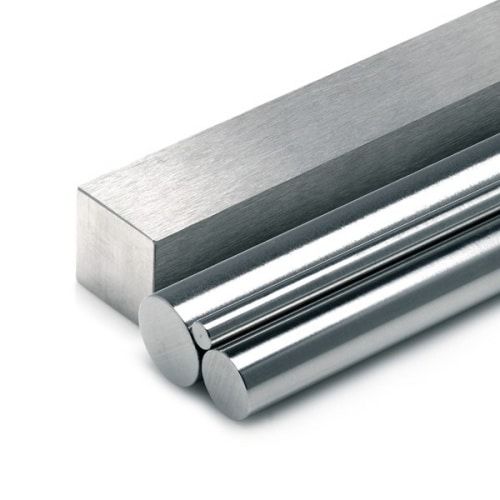
Electronics and semiconductor processing punishes materials with high temperatures and aggressive chemistries. Tantalum tungsten alloys show up in sputtering targets, furnace components, and CVD hardware, where their thermal stability and chemical inertness help keep processes clean and consistent. The use of Tungsten Sputtering Target is particularly prevalent in these applications.
If you are interested in other high-performance materials for electronic packaging, check Analysis Of The Outstanding Performance Of Copper Molybdenum Copper Cmc Electronic Packaging And Heat Sink Materials or A North American Electronics Engineers Successful Purchase Of Molybdenum Copper Alloy Mocu Heat Sinks On Tungstenbuy.
Outside those specialized arenas, you’ll find these alloys working quietly in chemical processing equipment, high-temperature furnace assemblies, and specialized tooling. Their resistance to corrosive media and high-temperature creep translates into fewer unplanned outages and less maintenance. Practical example: heat exchangers and reaction vessels that would chew through lesser metals often run longer and more predictably with tantalum tungsten components.
Producing dependable tantalum tungsten alloys takes the right methods and tight controls. Our background in refractory metals helps ensure the results meet demanding specs, batch after batch.
Common fabrication routes include powder metallurgy and electron beam melting. Powder metallurgy offers precise control over composition and microstructure—critical for hitting targeted properties. Electron beam melting delivers high purity and uniformity by stripping out performance-sapping impurities. Together with modern equipment and process discipline, these methods safeguard structural integrity and consistency in the finished alloy.
Quality is baked into our workflow. We run thorough chemical analyses, mechanical property evaluations, and non-destructive tests to confirm integrity and performance. Every batch is checked against spec and screened for defects. That rigor is how we ensure customers receive materials that perform as expected in the field—not just on paper.
With demand rising for materials that thrive in extreme conditions, innovation around tantalum tungsten alloys is accelerating—and we’re actively involved in that work.
Research is zeroing in on compositions that push temperature limits even further while improving mechanical behavior. There’s strong momentum toward processes that boost ductility and machinability without sacrificing strength. New frontiers like fusion energy and advanced propulsion are especially exciting—applications where these alloys’ stability could be a real unlock.
We take sustainability seriously. That means optimizing energy use, cutting waste, and advancing recycling strategies for tantalum and tungsten to lower our footprint. Responsible sourcing is part of the equation too—ethical supply chains matter, especially for critical metals.
For detailed specifications, custom solutions, or further inquiries regarding tantalum tungsten alloys and other advanced materials, please reach out to our expert team. We are dedicated to providing comprehensive support and tailored solutions to meet your specific project requirements. You can contact us via phone at +86 13995656368 or +86 13907199894, or email us at bunny@fotma.com or export@fotma.com.
They combine very high melting points with superior hot strength and excellent corrosion resistance, plus useful ductility and solid thermal conductivity—ideal for environments where conventional materials fail.
They blend the best of both: stronger and more temperature-capable than pure tantalum, yet more ductile and more corrosion-resistant than pure tungsten. The synergy creates a well-balanced property profile.
Primarily aerospace and defense (high-temperature components), medical devices (biocompatibility and stability), and electronics/semiconductor manufacturing (chemical inertness and thermal stability). They also see service across heavy industry in extreme environments.
Yes. By adjusting composition, we can prioritize strength, ductility, or corrosion resistance to meet exact requirements for diverse, demanding applications.
Common forms include rods, sheets, plates, wires, and custom-machined parts. The choice depends on the application and the downstream manufacturing process.