
Navigating the complexities of industrial material procurement requires a deep understanding of market dynamics and cost drivers. For tungsten carbide, a material critical to numerous high-performance applications, price directly impacts project viability and profitability. We aim to demystify the factors influencing its cost, providing procurement managers, engineers, and manufacturers with actionable insights for strategic sourcing.
Strategic material sourcing directly influences a company’s financial health and competitive edge. For high-performance materials like tungsten carbide, even minor price fluctuations can significantly impact manufacturing costs. Efficient sourcing ensures that businesses acquire necessary materials at optimal prices without compromising quality or supply chain stability. This approach supports sustainable operations and allows for better budget allocation across projects.
Tungsten carbide prices are subject to various market forces, leading to potential volatility. Unforeseen price increases can inflate project budgets, reducing profit margins or necessitating budget revisions. Conversely, understanding these fluctuations allows for proactive procurement strategies, such as hedging or forward buying, to mitigate risks. Accurate forecasting and flexible sourcing models are essential to maintain profitability in dynamic markets.
The price of tungsten carbide is not static; it reflects a complex interplay of various factors. Understanding these elements is crucial for anyone involved in its procurement or application. We analyze the primary drivers that shape its market value.
The primary component of tungsten carbide is tungsten, a strategic metal with finite global reserves. The extraction and processing of tungsten ore are energy-intensive, contributing significantly to its cost. Global supply, geopolitical stability in mining regions, and currency exchange rates directly influence the price of tungsten concentrate. Cobalt, another critical raw material used as a binder in cemented carbide, also plays a substantial role. Fluctuations in the market prices of these raw materials inevitably translate into variations in the final cost of Tungsten Carbide Tips.
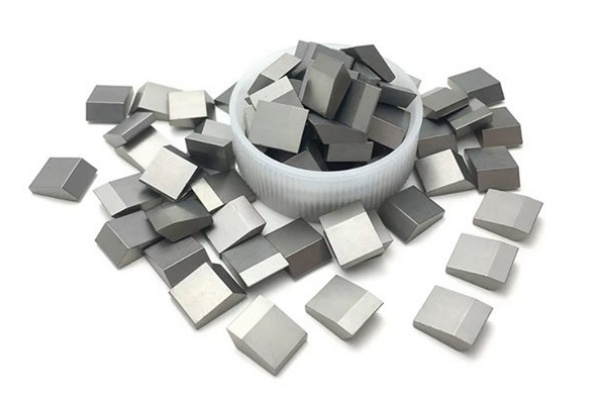
Producing tungsten carbide involves sophisticated processes, including powder metallurgy, sintering, and precision machining. Each stage requires specialized equipment, skilled labor, and stringent quality control. Advanced manufacturing technologies can improve efficiency and reduce waste, but they also represent significant capital investments. The complexity of forming intricate shapes or achieving specific material properties directly adds to production costs. Therefore, manufacturers employing cutting-edge techniques may offer superior products at a higher price point, reflecting their investment in technology and expertise.
Tungsten carbide is available in numerous grades, each formulated for specific applications. These grades vary in tungsten carbide content, binder material (typically cobalt), grain size, and additives. Higher purity materials and specialized grades designed for extreme conditions, such as those requiring exceptional hardness or corrosion resistance, command higher prices. This is due to the more rigorous processing, stricter quality control, and often rarer raw materials required. For example, a Carbide Cutting Blade designed for precision cutting will differ significantly in cost from a general-purpose wear part.
Like any commodity, the price of tungsten carbide is heavily influenced by global supply and demand. Increased demand from industries such as automotive, aerospace, mining, and construction can drive prices up, especially if supply cannot keep pace. Conversely, oversupply or reduced industrial activity can lead to price decreases. Trade policies, tariffs, and global economic conditions also play a significant role in shaping these trends. Monitoring these dynamics helps anticipate price movements and inform purchasing decisions.
The end application and physical form of tungsten carbide products also impact their pricing. Standard inserts or blanks are generally less expensive than custom-engineered components with complex geometries or specialized coatings. Products for critical applications, such as medical instruments or aerospace components, often involve higher costs due to stringent quality requirements, certification processes, and lower production volumes. For example, a Tungsten Carbide Inserts used in high-precision machining will have different cost considerations than larger, simpler wear parts.
The diversity of tungsten carbide products means pricing is highly granular. Understanding the cost structures for various grades and forms is essential for effective procurement.
Different industries have distinct requirements for tungsten carbide, influencing pricing. For instance, the oil and gas industry demands highly wear-resistant grades for drilling tools, while the electronics sector might require finer grain sizes for precision components. These specialized applications often necessitate custom formulations and manufacturing processes, leading to higher costs. The volume of material required for an application also plays a role; high-volume standard parts benefit from economies of scale.
If you’re interested, check 《Unveiling The Versatile World Of Cemented Carbide Products Powering Industries Across The Globe》.
Manufacturing tungsten carbide parts involves shaping and finishing operations that directly influence cost. Standard shapes, such as rods, plates, or simple inserts, can be produced more efficiently using established molds and processes. Custom shapes, however, require specialized tooling, complex machining operations, and often more extensive quality checks. This customization adds to the labor and machine time, increasing the unit cost. The intricacy of the design and the required tolerances are major cost drivers for non-standard components.
Bulk orders of standard tungsten carbide products typically benefit from volume discounts, as suppliers can optimize production runs and reduce per-unit manufacturing costs. For specialized components or small-batch custom orders, the pricing structure shifts. Here, the fixed costs associated with design, tooling, and setup are amortized over fewer units, resulting in a higher per-unit price. Companies must weigh the benefits of customization against the potential for increased costs.
Optimizing procurement for tungsten carbide involves more than just seeking the lowest price. It requires a holistic approach that considers quality, reliability, and long-term value.
Establishing long-term relationships with reputable suppliers offers numerous advantages. These relationships can lead to more stable pricing, preferential treatment during supply shortages, and access to technical expertise. Long-term contracts often include volume-based discounts and predictable pricing models, helping to mitigate market volatility. We prioritize building strong partnerships to ensure consistent quality and supply for our clients.
The initial purchase price of tungsten carbide does not always reflect its true value. Cheaper alternatives may offer lower upfront costs but can lead to premature wear, increased downtime, and higher replacement expenses. Evaluating the total cost of ownership (TCO) is crucial. This includes considering factors like tool life, maintenance requirements, and the impact of material failure on production. Investing in higher-quality Cemented Carbide Cutting Tool can often result in significant long-term savings.
Total Cost of Ownership (TCO) extends beyond the initial procurement price to include all costs associated with a product throughout its lifecycle. For tungsten carbide, this encompasses acquisition, installation, operation, maintenance, and disposal costs. By analyzing TCO, businesses can make more informed purchasing decisions, prioritizing materials that offer the best overall value rather than just the lowest sticker price. A comprehensive TCO analysis helps identify hidden costs and optimize long-term expenditure.
If you’re interested, check 《Tzm Alloy Price Analysis Value And Procurement Strategy》.
Understanding the intricate factors influencing tungsten carbide prices is essential for strategic procurement. At Hubei Fotma Machinery Co., Ltd., we combine over 30 years of material research expertise with modern production capabilities to offer high-quality cemented carbide products and other non-ferrous metal materials. We are committed to providing timely solutions and optimal performance. Contact us today to discuss your specific requirements and receive a tailored quote. Reach us at +86 13995656368, +86 13907199894, or email bunny@fotma.com, export@fotma.com.
Alex Chen is dedicated to ensuring clients receive timely solutions and achieve optimal performance from their products. Passionate about problem-solving and continuous improvement, Alex provides expert insights and practical guidance to help customers maximize the value of their purchases.
The price range for industrial-grade tungsten carbide varies significantly based on its specific grade, purity, form, and order volume. Generally, prices can range from tens to hundreds of US dollars per kilogram. Specialized grades or custom components will naturally fall at the higher end of this spectrum due to enhanced properties and complex manufacturing.
Different grades of tungsten carbide incorporate varying proportions of tungsten carbide and binder materials like cobalt, along with other additives. Higher tungsten content, finer grain sizes, and specific binder percentages designed for superior hardness, wear resistance, or corrosion resistance will increase the production cost and, consequently, the market price.
Yes, absolutely. We encourage clients to request custom quotes for their specific tungsten carbide product needs. Providing detailed specifications, including dimensions, grade requirements, application, and desired quantities, allows us to offer the most accurate and competitive pricing tailored to your project.
Tungsten carbide price volatility primarily stems from fluctuations in raw material costs, particularly tungsten and cobalt, which are subject to global supply and demand dynamics, geopolitical events, and currency exchange rates. Energy costs for production and changes in industrial demand also contribute to price instability.
The purity of tungsten carbide directly correlates with its performance and cost. Higher purity levels require more intensive refining processes and stricter quality control, increasing production expenses. Materials with fewer impurities offer superior mechanical properties and reliability, making them essential for critical applications and thus commanding a premium price.