
When you spend enough time in the field, a pattern emerges: the parts that look fine on paper often struggle once they’re thrown into real heat, current, and arc-heavy service. I’ve seen contacts pit within weeks and electrodes mushroom by month’s end—until we switched to silver tungsten. Its mix of conductivity, arc erosion resistance, and thermal stability consistently pulls equipment back from the brink. Below, I’ll walk through what makes these alloys tick, where they shine, and how we manufacture and qualify them so they deliver when conditions get extreme.
Silver tungsten alloys are engineered composites that pair silver’s superb electrical and thermal conductivity with tungsten’s very high melting point, hardness, and wear resistance. They aren’t true solid solutions; they’re pseudo-alloys produced via powder metallurgy, where fine tungsten particles are distributed throughout a silver matrix. This structure taps into the strengths of both elements for performance that outpaces either metal alone. By tuning the silver-to-tungsten ratio, we can steer the alloy’s behavior to suit different tasks, which makes these materials exceptionally versatile.
Blend silver with tungsten and you get a balanced, high-performance material tailored for demanding duty. Silver brings the low resistivity and fast heat flow needed for efficient current transfer and rapid thermal dissipation. Tungsten contributes mechanical backbone—hardness, wear resistance, and a formidable melting point—so components keep their shape and shrug off arc erosion. Together, they tolerate punishing temperatures and electrical stress that would quickly age conventional materials, making silver tungsten a natural fit for critical electrical and thermal management roles.
Silver tungsten alloys exhibit a set of core properties that dictate their real-world performance.
Taken together, these attributes deliver reliable performance where high electrical demands intersect with harsh mechanical and thermal conditions.
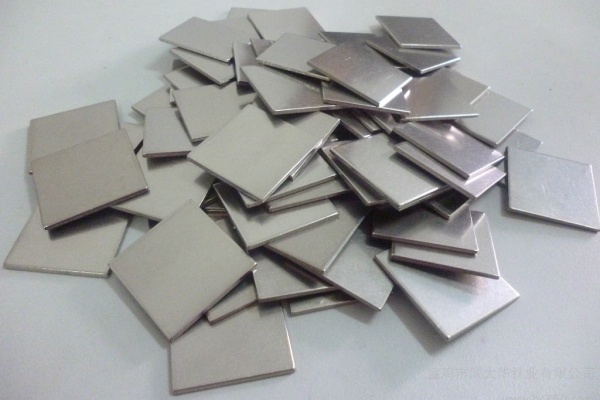
Silver tungsten alloys show up wherever high current, repeated arcing, and serious heat must be handled without compromise. From power distribution gear to aerospace assemblies, they’ve earned their place by combining conductivity, arc survival, and longevity.
In contacts and switchgear, uptime often hinges on how well materials tolerate frequent make/break cycles and the arcing that follows. Silver tungsten keeps contact resistance low thanks to silver, while tungsten reins in pitting and material transfer, stretching service life. We specify these alloys in circuit breakers, relays, and contactors that operate at high current and voltage. The robust nature of Agw Silver Tungsten Alloy supports consistent performance and trims maintenance in tough electrical environments.
As resistance-welding electrodes—especially for copper, brass, and other non-ferrous metals—silver tungsten hits the sweet spot. The alloy delivers current and heat efficiently into the workpiece, and tungsten’s hardness means the tips resist deformation and sticking at elevated temperature. The result is steadier weld quality and longer intervals between dressing or replacement. We rely on these electrodes across automotive production, electronics assembly, and other precision manufacturing lines.
Aerospace and defense gear faces fast thermal cycles, high temperatures, and mechanical loads—exactly where silver tungsten excels. You’ll find it in aircraft electrical contacts, missile guidance assemblies, and select high-temperature structural parts. Its thermal management helps keep components cool under load, while its strength and wear resistance support reliability in mission-critical scenarios. It also serves in niche roles where radiation shielding is required.
In high-power electronics, managing heat is often the limiting factor. Silver tungsten offers high thermal conductivity with a tunable CTE, making it a strong candidate for heat sinks and thermal spreaders. Matching the CTE of semiconductor packages reduces stress at the interface and boosts long-term reliability. This capability is increasingly important in power electronics, telecom hardware, and high-performance computing platforms.
If you’re interested, check Comprehensive Applications Of Tungsten Copper Alloy In Aerospace And New Energy Vehicles.
These alloys don’t happen by accident—controlling the composite microstructure is central to achieving the performance engineers expect. Our production approach emphasizes precision, repeatability, and verification at every step.
We primarily produce silver tungsten alloys via powder metallurgy, through these stages:
Tight control over these steps produces uniform phase distribution—the foundation for the alloy’s hallmark properties.
Purity and homogeneity are non-negotiable. Even small impurities can sap conductivity, diminish arc erosion resistance, or undermine mechanical strength. We use high-purity feedstocks, tightly manage mixing, and tune sintering parameters to lock in consistency. Tools like SEM and EDS verify the dispersion of silver and tungsten and screen for contaminants. This rigor is how we deliver predictable, repeatable performance.
Reliability is proven, not assumed. We test for electrical and thermal conductivity, hardness, density, and arc erosion resistance using both destructive and non-destructive methods. Each batch is held to defined criteria, and recognized certifications back our QA processes. That depth of testing gives customers confidence in durability and in-spec behavior.
Choosing the right material starts with understanding the trade-offs. Silver tungsten stacks up well, but alternatives can make sense depending on the application and budget.
Both silver tungsten and Wcu Tungsten Copper Alloy are composite materials known for their excellent electrical and thermal properties, but they differ in key aspects.
| Feature | Silver Tungsten Alloys (AgW) | Tungsten Copper Alloys (W-Cu) |
|---|---|---|
| Primary Advantage | Superior electrical conductivity, excellent arc erosion resistance | High arc erosion resistance, good thermal conductivity, lower cost than AgW |
| Electrical Conductivity | Very High | High |
| Thermal Conductivity | Very High | High |
| Arc Erosion Resistance | Excellent (Silver helps quench arc) | Excellent (Tungsten provides high melting point) |
| Contact Resistance | Very Low | Low to Medium |
| Density | High (due to tungsten) | High (due to tungsten) |
| Cost | Higher (due to silver content) | Moderate |
| Typical Applications | High-current electrical contacts, vacuum interrupters, high-performance switchgear | Resistance welding electrodes, EDM electrodes, heat sinks, medium-voltage switchgear |
Silver tungsten typically edges out on conductivity and contact resistance, which pays off in high-current systems where every milliohm matters. Tungsten copper remains a strong, often more economical pick when you need excellent arc resistance and good thermal performance, and can accept slightly lower electrical conductivity.
Pure silver conducts beautifully but softens early, wears fast, and loses the arc battle in high-power switchgear. Pure tungsten is incredibly hard with a towering melting point, yet it lags in electrical and thermal conductivity and is notoriously difficult to machine. Combine them, and you keep silver’s conductivity while gaining tungsten’s mechanical resilience and arc endurance. That’s why silver tungsten fits heavy-duty electrical contacts and high-performance welding electrodes where both conductivity and toughness are mandatory.
Dialing in the best fit means weighing several factors:
We encourage you to explore our range of Agw Silver Tungsten Alloy products to find the perfect match for your project.
Getting the most from these alloys comes down to partnering well and tailoring composition and geometry to the job, not forcing the job to fit a standard part.
Partnering with an expert manufacturer like Fotma is a force multiplier. Fotma, founded in 2004 and ISO-9000-1:2008 certified, specializes in tungsten-molybdenum products, tungsten-molybdenum alloys, Wcu Tungsten Copper Alloy, cemented carbide, high-density alloys, titanium, and nickel. With modern production equipment, advanced testing methods, and over 30 years of technical accumulation in material research, we deliver complete solutions for mechanical processing, manufacturing, and precision instrument accessories. The result is consistent quality, solid performance, and support grounded in experience.
Customization is often where performance gains are found. We adjust Ag/W ratios to target conductivity, hardness, and CTE, and we manufacture bespoke sizes and shapes—from intricate contacts to large thermal spreaders—so parts drop into your assembly without compromise. Our engineers work shoulder-to-shoulder with your team to translate requirements into parts that perform as intended.
Longevity starts with the right material and process choices and continues with disciplined QA and testing. Proper installation and operating practices matter too; they prevent early wear and avoidable failures. We stay engaged after delivery with technical support to help you keep components running efficiently over the long haul.
For expert insights, technical support, or to discuss your specific material requirements for silver tungsten alloys, please contact us. Our team is ready to provide tailored solutions and ensure optimal performance for your applications. Reach us by phone at +86 13995656368 or +86 13907199894, or email us at bunny@fotma.com or export@fotma.com.
Alex Chen is dedicated to ensuring clients receive timely solutions and achieve optimal performance from their products. Passionate about problem-solving and continuous improvement, Alex provides expert insights and practical guidance to help customers maximize the value of their purchases.
Silver tungsten alloys merge silver’s high electrical and thermal conductivity with tungsten’s hardness, wear resistance, and arc erosion resistance. That combination supports efficient current transfer while standing up to harsh, high-duty operation.
Powder metallurgy is pivotal. Uniformly distributing silver within the tungsten matrix—and locking in density and microstructure through controlled compaction and sintering—directly shapes the alloy’s electrical, thermal, and mechanical performance.
Yes. Adjusting the silver-to-tungsten ratio tunes conductivity, hardness, and CTE, enabling bespoke solutions that match the exact demands of a given application.
They’re prevalent in high-performance electrical contacts for power distribution, automotive, and aerospace. You’ll also see them in resistance welding electrodes and in thermal management hardware for advanced electronics.
Start with the operating conditions and performance targets: current levels, temperatures, mechanical loads, and service life. Sharing detailed parameters with materials specialists helps pinpoint the optimal Ag/W ratio and the right form factor.